
Flanged Heaters

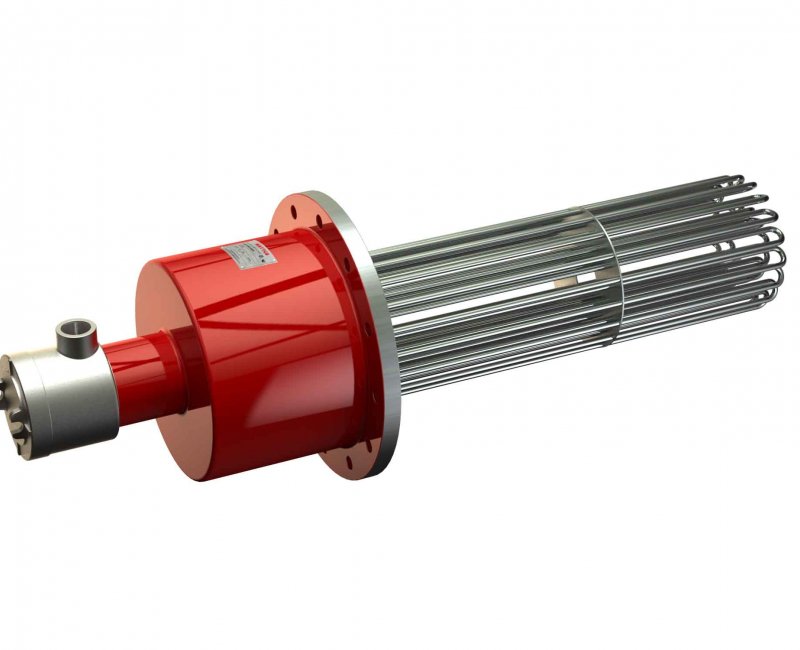
Flanged heaters are commonly used in many chemical, petroleum and water based applications. Consisting normally of an ANSI rated flange with several hairpin elements or bugle tubular elements extending from the face of the flange, this electric heater uses direct heat application to the liquid medium.
A thermowell is often used within the bundle of elements to allow for a probe (either a thermocouple, RTD or basic mechanical thermostat) to relay temperature readings to a digital control panel that cycles and maintains the desired target temperature.
Often a high limit sensor is also used to help protect liquid mediums from over heating and, offers protection to the flange heater as well.
Shipping
Wattco uses its decades of experience shipping our industrial heaters worldwide. When shipping across borders, Wattco can handle all necessary import, customs and duties responsibilities to ensure that you receive your product on time and on spec. Wattco ships using all mediums upon request including: truck, train, container ship and by air freight when mission critical rush delivery is required.
Flanged Heater Uses
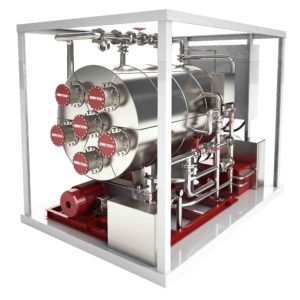
Wattco flanged heaters allow the flexibility of using many different alloys to help resist corrosion and maintain life longevity of the flanged heating element Steel flanges are typically used for lubricant oils, heavy and light oils, waxes as well as mildly corrosive liquids and low flow gas heating. Steel flanges can also be found in immersion heaters for water tanks.
These flanged heaters are used to process soap and detergent solutions as well as demineralized or deionized water. Stainless steel flanged heaters are used with mildly corrosive solutions as well as severe corrosive solutions.
Food applications also use stainless steel for sanitary purposes. The sheath materials used in a flanged heater can be steel, stainless steel, copper as well as exotic alloys such as inconel, hastalloy and titanium.
Extremely corrosive environments such as salt water should use exotic alloys such as titanium to avoid sheath breach over excessive durations. Industries that use exotic alloys can include military, chemical and process industries.
Flanged heaters use bent tubular elements that are brazed or welded onto a flange. Extra wiring boxes in which the electrical connections are fixed are provided with it. Some heaters have already been prefixed into flanges, but others can be welding techniques on matching flanges that are mounted on a nozzle or tank wall.
Wattco offers flanged heaters in varying kilowatts ratings, voltages, temperature ranges, sheath materials and so on. Flanged immersion heaters are one of the most widely used industrial heater options in the oil sector.
Compared to other oil heaters, they are easier to install, are specifically designed for use in pressurized vessels and more manageable. Typical applications include preheating different grades of oil, cleaning tanks and heat transfer. Click here to get a quote on a flanged heater today or feel free to contact one of our experts for more information.

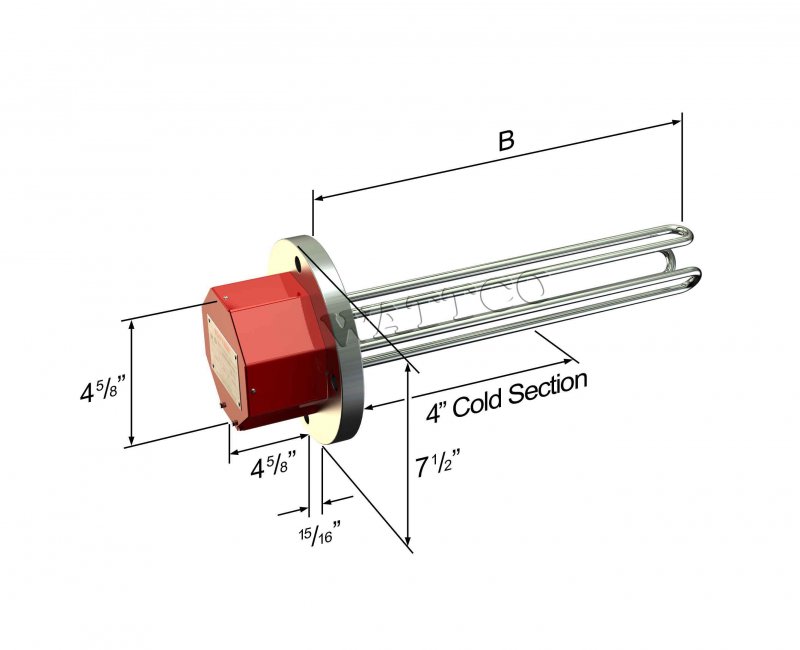 3 inch ANSI flanged heater NEMA 1
|
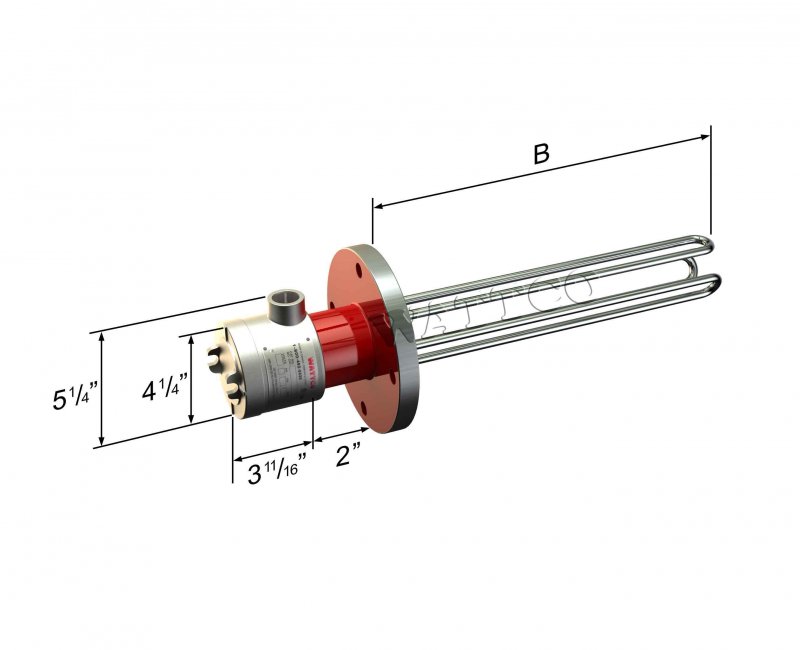 3 inch ANSI flanged heater NEMA 4
|
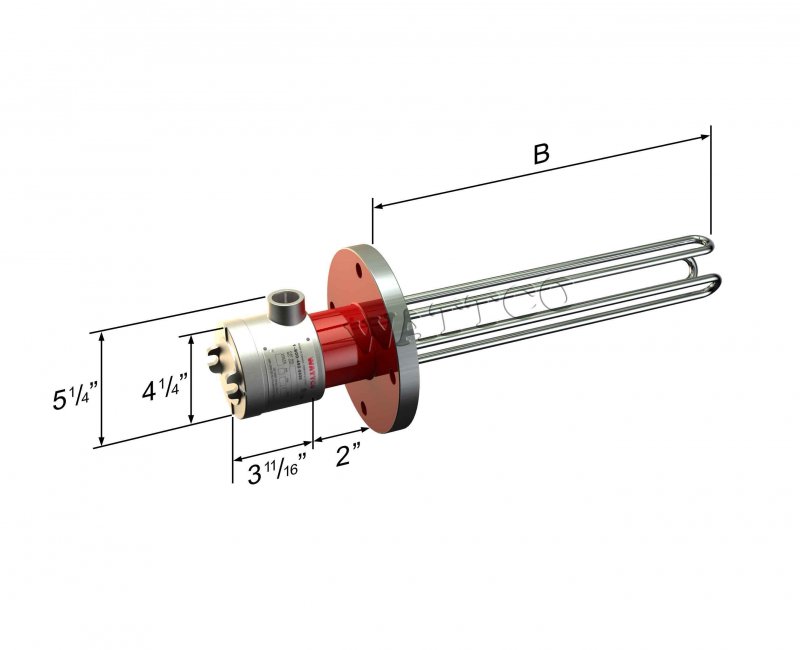 3 inch ANSI flanged heater NEMA 7
|
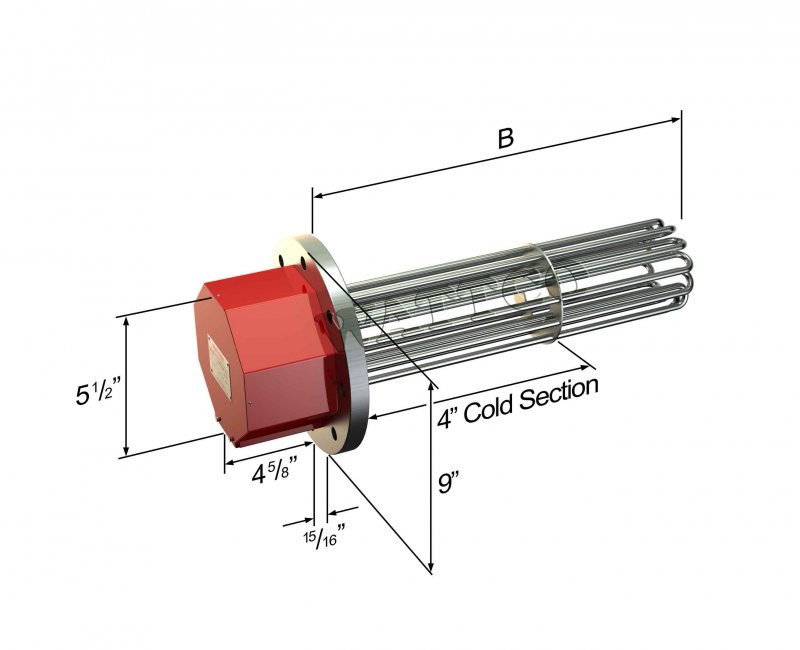 4 inch ANSI flanged heater NEMA 1
|
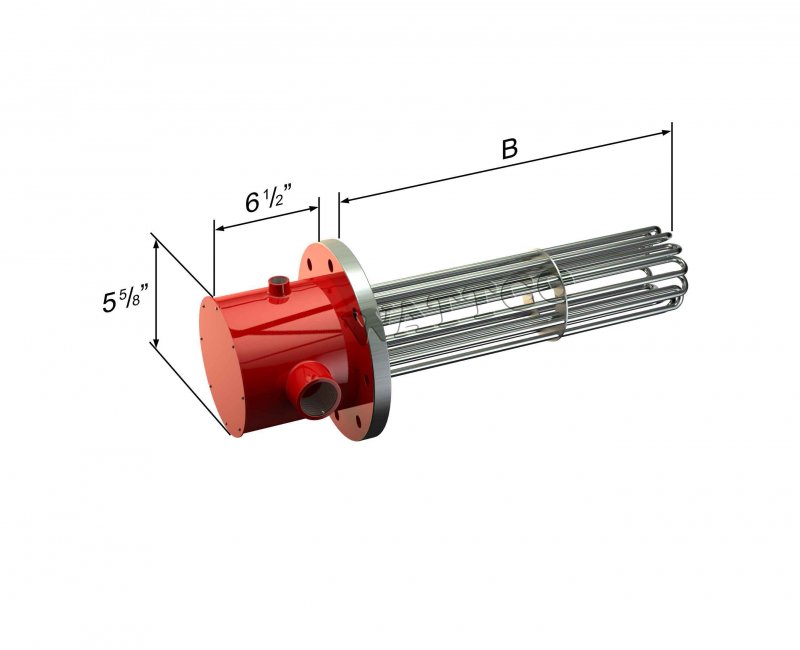 4 inch ANSI flanged heater NEMA 4
|
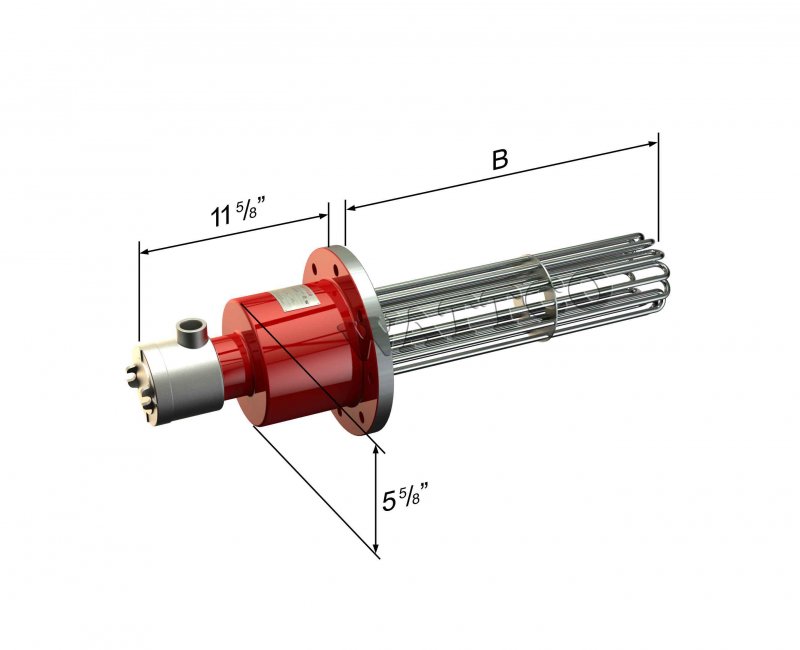 4 inch ANSI flanged NEMA 7
|
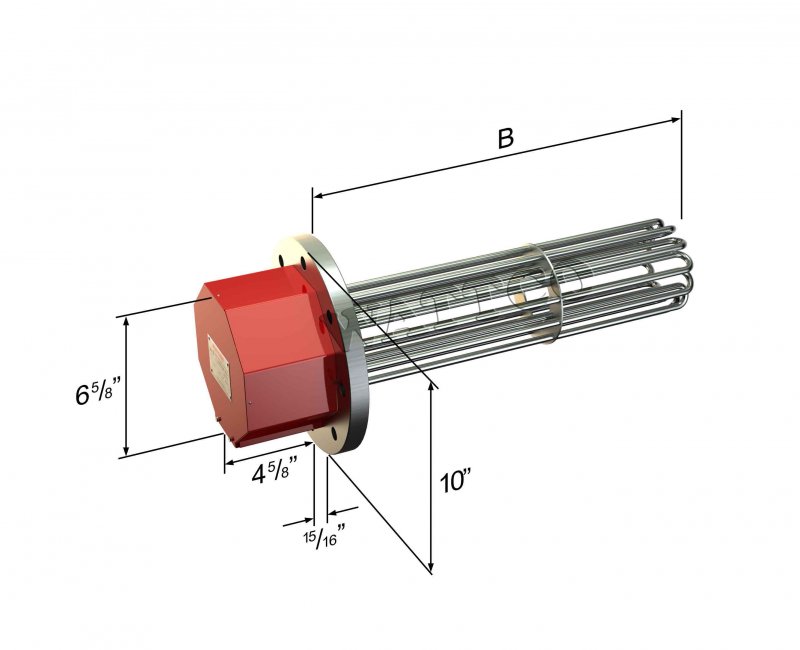 5 inch ANSI flanged heater NEMA 1
|
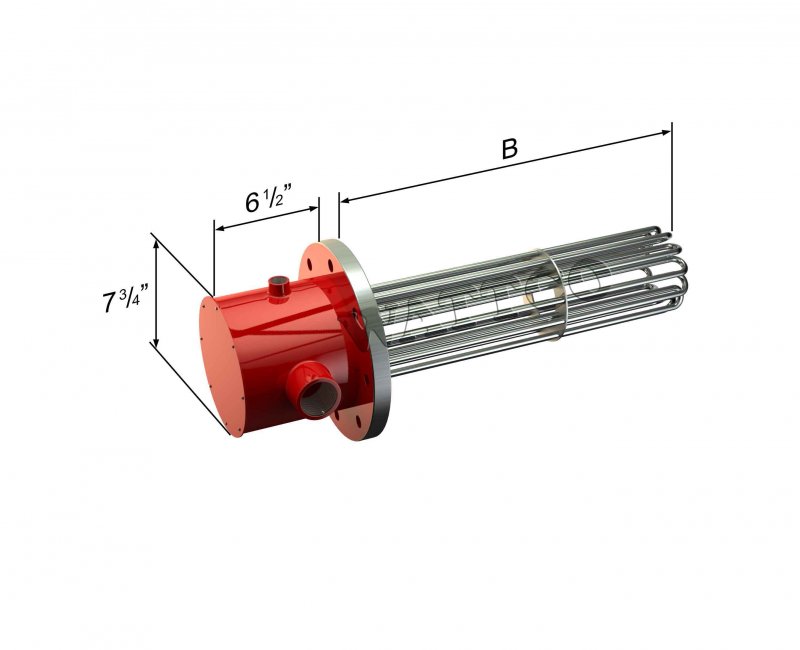 5 inch ANSI flanged heater NEMA 4
|
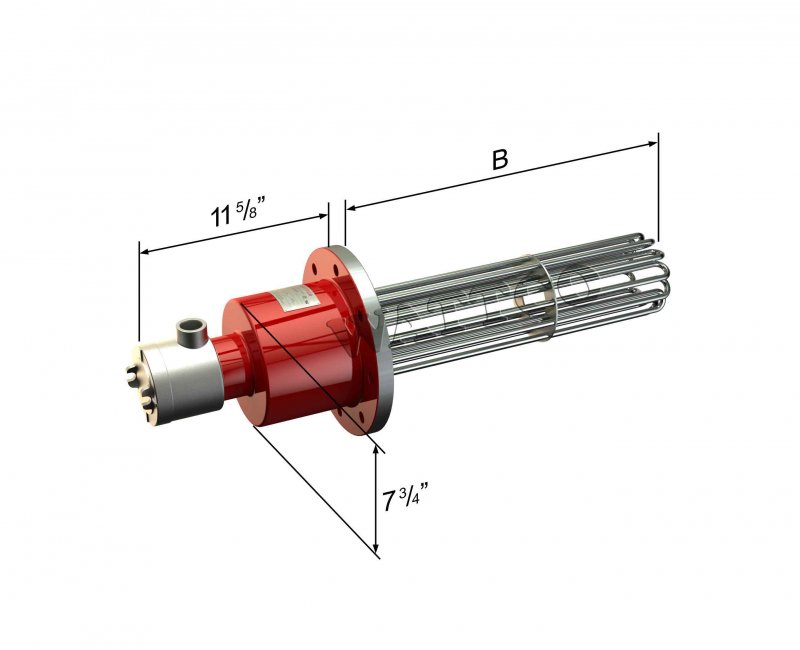 5 inch ANSI flanged NEMA 7
|
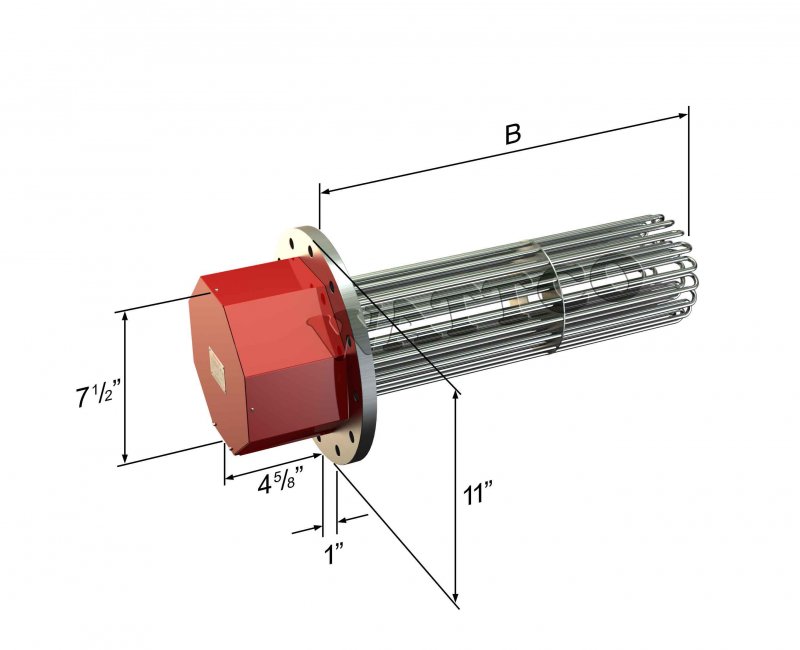 6 inch ANSI flanged heater NEMA 1
|
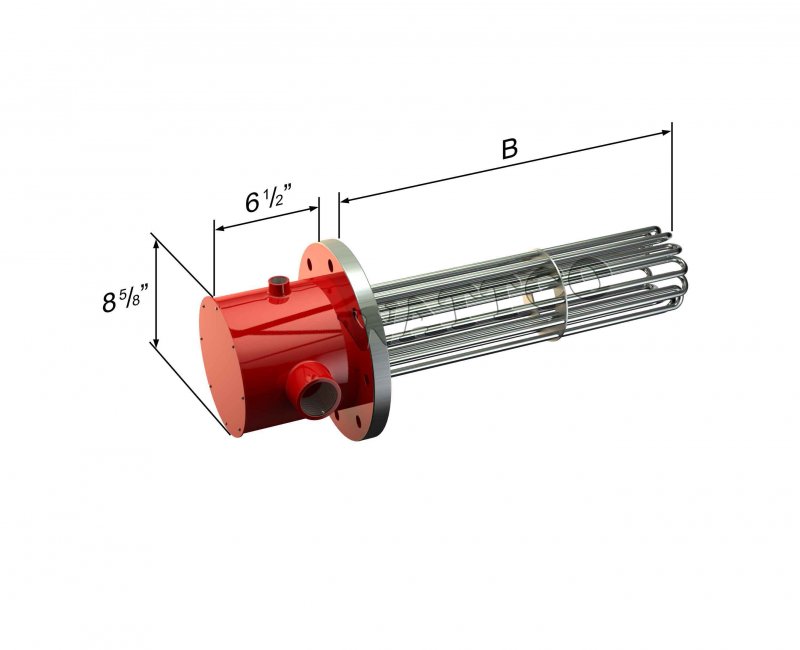 6 inch ANSI flanged heater NEMA 4
|
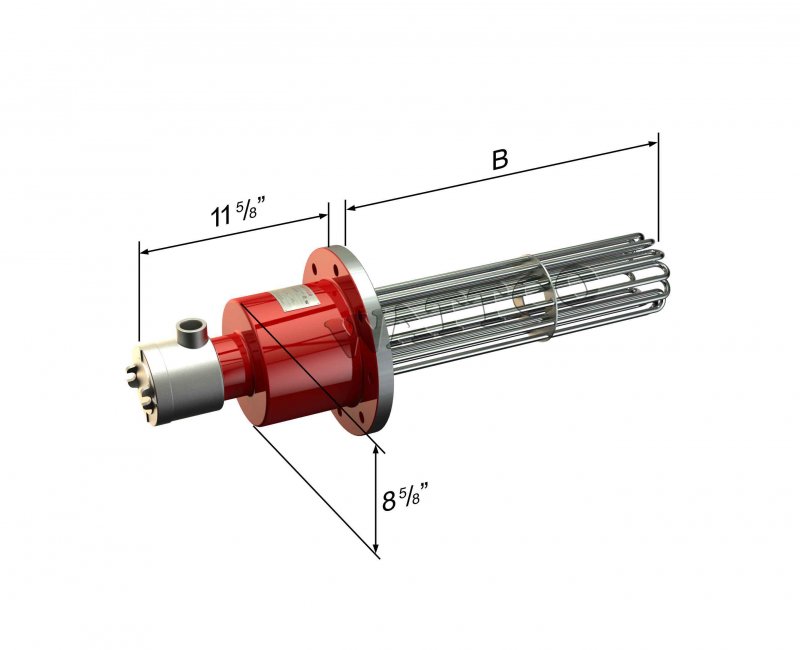 6 inch ANSI flanged NEMA 7
|
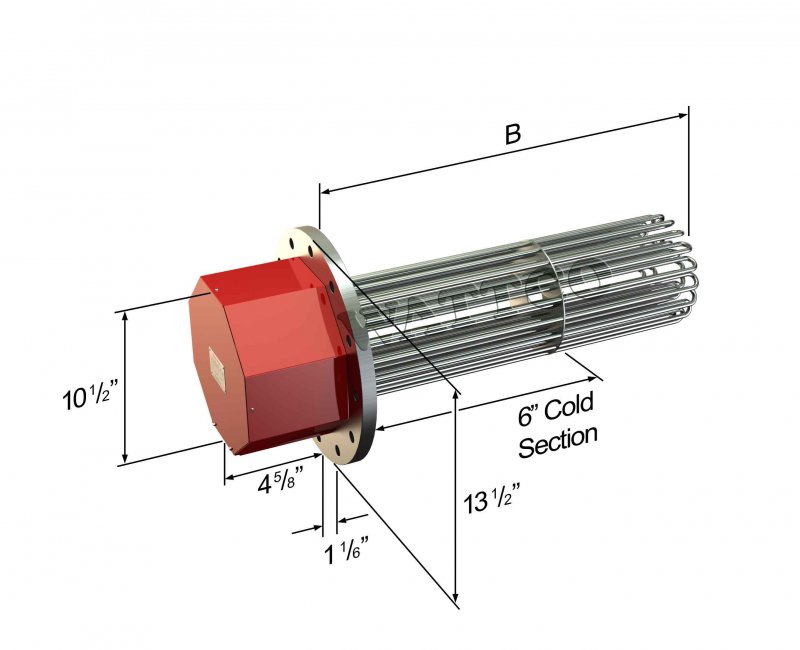 8 inch ANSI flanged heater NEMA 1
|
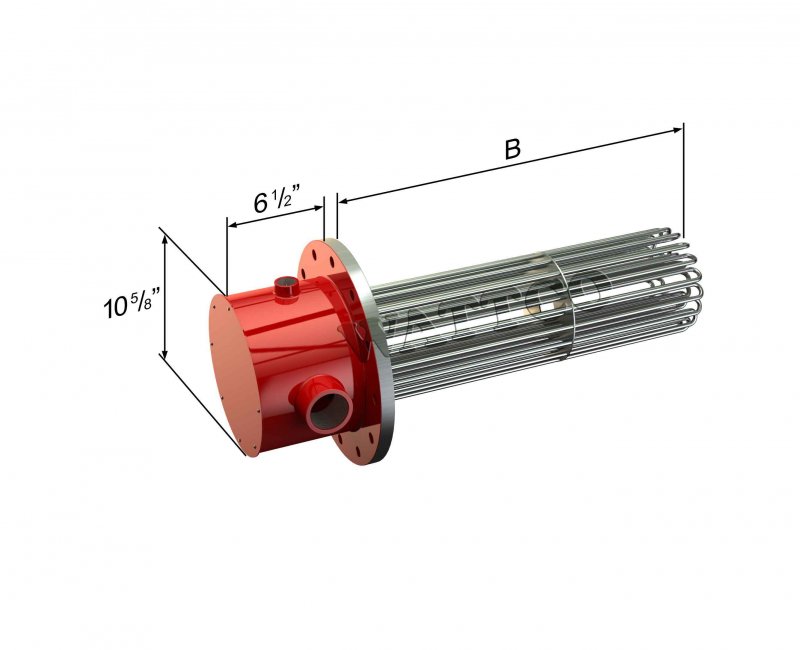 8 inch ANSI flanged heater NEMA 4
|
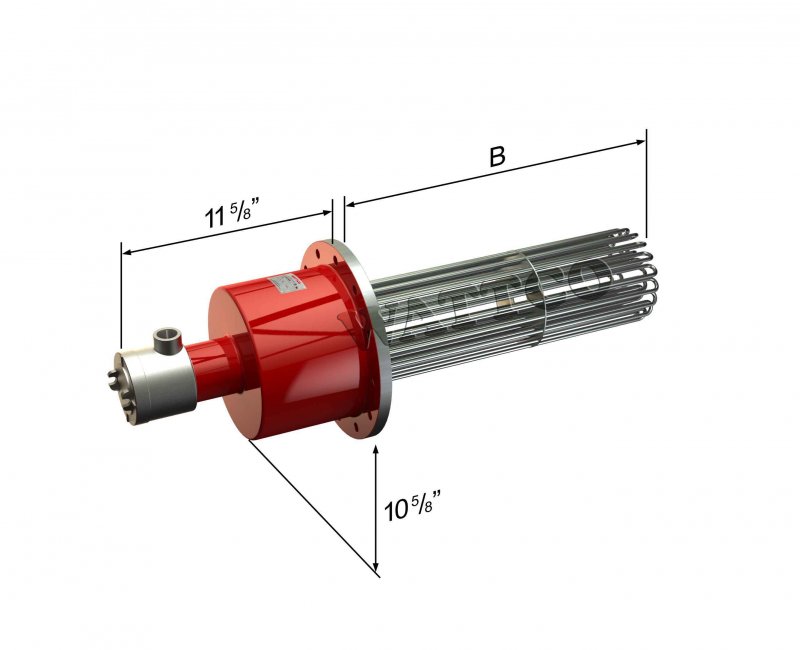 8 inch ANSI flanged NEMA 7
|
|
EXTRA FEATURES |
DESCRIPTION |
|
VOLTAGE |
WATTCO™ flange heaters are custom-built and supplied with voltages up to 600V. |
|
WATTAGE |
Custom made heaters can be supplied with any requested wattage. |
|
LENGTH |
WATTCO™ flange heaters are supplied with unlimited immersed lengths. When the immersed length exceeds 50”, it is recommended to install an internal vessel support. |
|
EXTRA HEAVY WALL SHEATH |
Heavy wall sheath (0.035” or 0.065” thickness) is provided in:
|
|
FLANGE SIZES AND RATINGS |
Refer to the Welding flanges section on page 2.12 and 2.13 |
|
PASSIVATION |
Available Incoloy® and stainless steel sheathed heaters can also be supplied with chemically passivated sheaths. Note: Chemically passivated sheaths are highly corrosion resistant in most applications. Passivation process is carried out through electropolishing. WATTCO™ stainless steel flange heaters can come with passivated wetted surfaces. |
|
WELDED ELEMENTS |
WATTCO™ standard flange heaters are made of elements that are ‘TIG’ or welded to the flange. Heaters are supplied with welded elements for the following sheath material:
|
|
BUILT-IN THERMOSTAT WELL |
Built-in thermostat wells can be installed upon request. When ordering, please provide length and internal diameter. |
|
BUILT-IN HIGH LIMITS AND THERMOSTATS |
For process temperature control, built-in high limits and thermostats can be installed upon request. Standard built-in thermostats: Single pole device of a maximum of 600V up to 25 amps |
|
BUILT-IN THERMOCOUPLES |
Thermocouples can be mounted to provide sheath limit protection or temperature control. Configured temperature control and power controls are available to meet the requirements of any application. |
|
VENTED or STAND OFF |
Vented or Stand off housings prevent the connection wire from overheating in many high temperature applications. |
|
SPECIAL TERMINAL HOUSINGS |
Special terminal housings for all types of flange heaters can be made:
When requesting an explosion-proof housing, please provide:
|