

How to choose the right circulation heater for your industrial application
Pick the wrong circulation heater and you’ll know soon enough. Temperatures that drift, a process that won’t hold spec, and a unit that fails earlier than it should. Pick the right one and it quietly does its job for years. The trouble is that choosing well isn’t really about grabbing the biggest kilowatt rating on the shelf. It’s about matching the heater to what your process actually asks of it. So here’s how to work through that decision properly, step by step.
Why choosing the right circulation heater matters?
An industrial circulation heater does one thing well. It heats liquids or gases under control as they move through a system. Land the right match and your process temperatures stay steady, the whole thing runs leaner, and downtime drops because you’re not flogging the equipment past its design. Get it wrong and every one of those benefits flips into a problem. That’s why the selection is worth doing carefully rather than quickly.
Understand your industrial heating requirements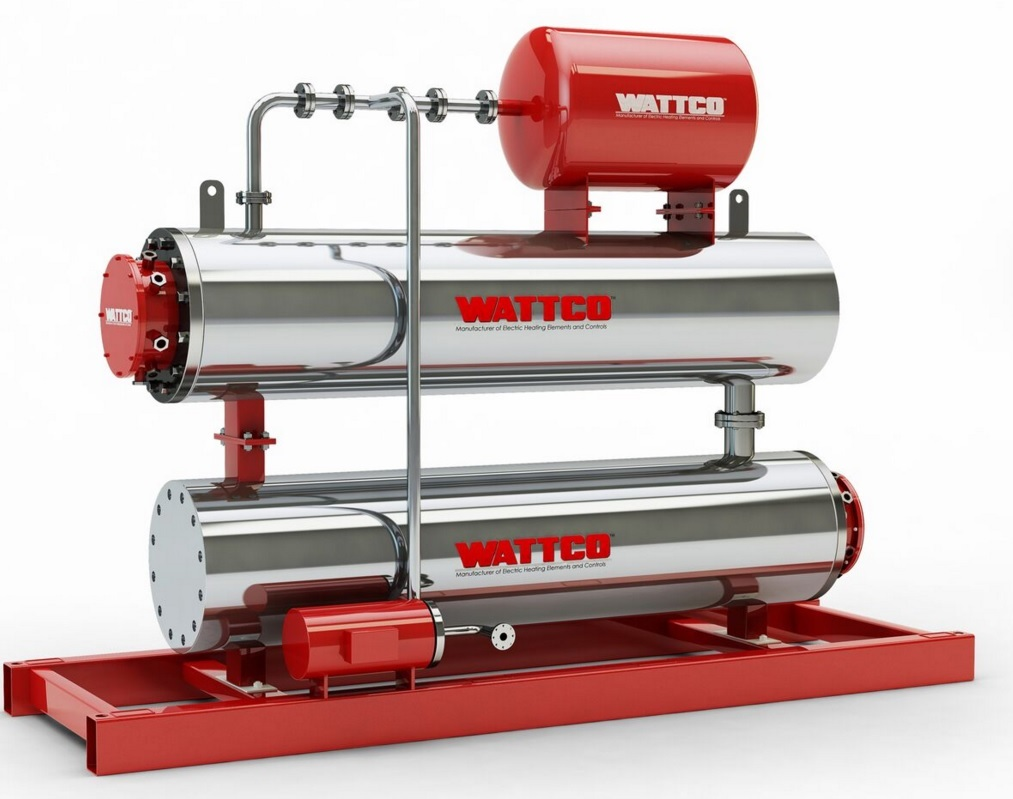
Before you look at a single product, study your process. What’s being heated? How hot does it have to get? How quickly is it moving, and what’s going on around it? Those answers shape everything that follows. Skip them and you’re guessing.
Identify the liquid or gas you need to heat
What you’re heating matters more than people expect. Water, oil, chemicals, and gases all behave differently under heat, with their own thermal properties, their own quirks, their own tolerances.
A heater that’s spot on for water might be completely wrong for a thick oil or a harsh chemical. So pin down the medium first, because that one answer steers your material choices and your performance targets all the way down.
Determine your flow rate and temperature requirements
Next come the numbers that actually size the thing. What’s the fluid’s temperature on the way in, and where does it need to be on the way out? What conditions does it have to handle? Take that inlet-to-outlet gap, factor in the flow rate, and you’ve got a read on how much heating capacity the job really needs. This is especially important when selecting inline heaters, which need to deliver the required temperature rise while the fluid continues moving through the system. Guess high and you waste money and energy. Guess low and the heater can’t keep up.
Key factors to consider when choosing a circulation heater
Here’s where it goes beyond power rating. A good selection weighs capacity, materials, operating conditions, and safety all together, because any one of them getting overlooked tends to be the thing that bites you later.
Calculate the required heating capacity
The kilowatt rating isn’t a number you pluck from experience. It’s calculated. In go your flow rate, the temperature rise you’re after, the thermal behaviour of the fluid, and the heat that escapes en route. Run that properly and you arrive at a rating that heats dependably without being bloated and wasteful. It’s maths worth doing, not eyeballing.
Choose the right materials and watt density
Two things decide how well a heater survives its environment. First, the materials, the sheath that meets the fluid and the vessel built around it, which have to be compatible with whatever you’re running through them. Second comes watt density, which is really just how much heat each patch of surface throws off.
The sheath material of tubular heating elements must be compatible with the fluid being heated, while the watt density needs to be appropriate for the medium to reduce the risk of scorching, fouling, or premature element failure. Crank it too high for the fluid and you’re inviting scorching, fouling, or an early failure. Matching both to the medium is what buys you durability.
Check operating pressure and installation requirements
The heater has to fit your system, not just your process. So look at the pressure rating and make sure it handles your operating conditions. If your circulation heater uses flanged heaters inside its vessel, check the flange pressure rating, piping connections, and available installation space to make sure everything fits your system.
Think about the piping connections and how the unit mounts. Check you’ve actually got the space for it. And don’t forget the pressure drop across the heater itself, since that can quietly affect the wider system if nobody accounts for it upfront.
Consider temperature controls and safety features
Controls are what keep the whole thing stable and safe rather than just hot. A properly configured temperature control panel helps regulate the heating process and can integrate the monitoring and control functions needed to maintain stable operating temperatures.
That usually means thermostats and temperature sensors doing the regulating, high-limit protection standing by in case something runs away, flow monitoring to catch trouble early, and a control panel tying it together. On an industrial unit these aren’t nice-to-haves. They’re the difference between steady operation and a dangerous one.
Which circulation heater is best for your application?
There’s no single best heater, only the best heater for your job. What’s right comes down to the medium you’re heating, the temperature range you need, and the environment it’ll live in. A couple of broad cases make that clearer.
Circulation heaters for water, oil, and chemicals
With liquids, circulation heaters stretch across a lot of ground, everything from simple water heating to oil processing and chemical manufacturing. The underlying principle carries across, but the details move around plenty. Depending on the vessel size and heating requirements, some circulation heaters use screw plug heaters as their heating assembly, offering another configuration for transferring heat to liquids moving through the system.
Oil and chemicals especially need a close eye on material compatibility and watt density, since the wrong pairing eats away at the fluid or the heater, now and then both at once.
Circulation heaters for air and gas heating
Gases are a different animal. Heating air, nitrogen, or other industrial gases brings its own requirements around temperature control and flow conditions, and it often calls for a different heater configuration than a liquid would. The core idea is the same, but how you get there changes, so it’s worth treating gas applications as their own design conversation rather than assuming a liquid setup will transfer.
What to check before requesting a circulation heater quote?
A good quote starts with good information, so gather it before you reach out. Know your heating medium and your flow rate. Keep your inlet and outlet temperatures handy, plus the operating pressure. If the heater will operate in a classified hazardous location, mention whether explosion-proof temperature control panels and appropriately rated heater enclosures are required for the installation.
Spell out your electrical requirements and the conditions wherever the unit’s going to sit. And note any safety standards that apply to your industry. Bring all that and you’ll get a quote that actually fits. Leave gaps and you’ll get a rough guess that needs reworking anyway.
Final thoughts
Picking the right industrial circulation heater begins with your process, not the heater’s size or its price tag. Get the heating capacity right, choose materials that agree with the fluid, fit dependable temperature controls, and sort out the installation conditions, and you’re setting up for performance that holds rather than a unit you’re nursing a year from now. WATTCO offers industrial circulation heating solutions built for a range of process applications, helping businesses match equipment to what their heating actually demands.
FAQs About Industrial Circulation Heaters
How do I choose the right size circulation heater?
Sizing really comes down to the maths of your process, not a rule of thumb. You’re looking at the fluid type, the flow rate, the inlet and outlet temperatures, and the heat you’ll lose along the way. Put those together and they point to the heating capacity you need. Get it right and the heater keeps up without wasting energy. The safest move is to have those figures worked out before you commit to a rating.
What is the difference between a circulation heater and an immersion heater?
They heat in different ways. A circulation heater warms fluid as it flows through its own vessel, so the medium passes the elements and comes out hot the far side. Tank-mounted immersion heaters heat liquid directly inside a container, while circulation heaters use heating elements housed within a separate vessel to warm the fluid as it flows through. Flowing systems tend to suit a circulation heater, while a static tank is more of an immersion job. Your setup usually makes the choice for you.
What fluids can industrial circulation heaters heat?
Quite a range, honestly. Water, oil, various chemicals, air, and industrial gases are all fair game. The catch is material compatibility, because the sheath and vessel have to stand up to whatever’s running through them. Water is forgiving. Chemicals and certain oils are far less so, and the wrong materials degrade fast. So the fluid doesn’t just decide if a circulation heater works, it decides how the heater needs to be built.
How can I improve the efficiency of an industrial circulation heater?
Start with correct sizing, since a heater that’s wrong for the load is fighting an uphill battle from day one. From there, good insulation cuts the heat you’d otherwise lose, and solid temperature controls stop it working harder than it needs to. Keep up with regular maintenance so performance doesn’t quietly slide, and hold the flow rate where it should be. None of it is dramatic on its own, but together it adds up to a noticeably more efficient system.
WATTCO provides engineered industrial circulation heaters for a wide range of liquid and gas heating applications, helping businesses maintain consistent process temperatures, improve heating efficiency, and achieve reliable performance with solutions tailored to their specific operating requirements.