

What does an industrial heater really cost over its lifetime
Two heaters land on your desk with similar quotes, and the cheaper one looks like the obvious call. Sign for it, though, and a few years down the line it can quietly turn into the expensive one, once you’ve paid for the extra energy it burned, the maintenance it needed, the parts you replaced, and the production it interrupted.
The purchase price is just the opening line of the bill. From here, this is a grounded look at what a heater truly costs over its full working life, and the things worth weighing, whether you sit in engineering, run the plant, or handle procurement, before you set one heating system against another.
How much does an industrial heater cost over its lifetime?
Energy usually becomes the biggest long-term expense
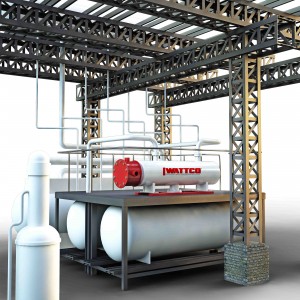
A heater can rack up thousands of operating hours over its life, and every one of those hours draws power. That’s why electricity, not the sticker price, tends to be the largest slice of what the heater really costs you in the end. Spread across years of running, the energy bill quietly dwarfs whatever you saved at purchase, which is why it deserves a hard look before you commit. Over years of operation, the lifetime cost of industrial immersion heaters is shaped by much more than the purchase price, with energy consumption, heat loss, maintenance, controls, and service life all contributing to the final number.
Operating hours matter as much as heater kW
A 100 kW heater that fires up now and then costs a very different amount to run over a year than the same 100 kW heater humming away around the clock. The rated power on its own tells you almost nothing about the annual spend. To get a realistic figure you have to factor in the capacity, yes, but also the actual duty cycle, the hours it genuinely runs, and what your local electricity rate happens to be. Rated kW is the headline, not the whole story.
Heat loss can quietly increase operating costs
A lot of running cost hides in heat you never meant to make. If a tank sits without insulation, piping runs unlagged, the room is cold, or the temperature is set above what the process truly needs, the heater keeps working longer than it has to, and that shows up on the bill.
In flowing applications, well-insulated industrial inline heaters can help reduce unnecessary heat loss while transferring electrical energy directly into the process fluid. And it’s worth bearing in mind that plugging those gaps can save more than swapping the heater ever would, so more often than not insulation is the cheaper answer.
The right heater size can affect cost for years
Getting the size wrong in either direction quietly costs you for the life of the system. An undersized heater drags its heels reaching temperature, struggles to hold the process where it should be, and holds up production while it catches up. Go the other way and an oversized one can inflate your electrical infrastructure, create demand you didn’t need, and actually make steady temperature control harder because it keeps overshooting. Neither extreme is the bargain it might first appear.
Look beyond kW when selecting the heater
Total power is just one facet of a heater, and mistaking it for the entire spec is an easy trap. Things like the watt density, what the fluid is actually like, the operating temperature, the choice of sheath, and how the unit’s put together all shape how efficient it runs, how reliable it proves, and how long it lasts. Two heaters carrying the same kW can act nothing alike once those details part ways, so the nameplate figure is the opening of the assessment, not the close of it.
Maintenance costs often start small and grow over time
Next to the purchase price, routine inspection and upkeep can look like small change. Given a few years, though, the recurring labour, the cleaning, the replacement parts, and the little service interruptions add up into a number that’s anything but minor. Maintenance is the cost that creeps, so it’s worth picturing it over the whole service life rather than as a line you’ll deal with later.
Scale, fouling, and coking can make heating more expensive
Deposits on the heating surfaces work against you in a way that shows up straight on the energy bill. Scale, fouling, and coke all get between the element and the process, so the heater has to run longer to do the same job while the element itself runs hotter than it should. That combination pushes energy use up and element life down at the same time, which makes a fouled heater an expensive one to keep feeding.
Easy maintenance can lower lifetime costs
How serviceable a heater is has a real bearing on what it costs to own. Good access to the elements, a removable bundle, connections that aren’t a puzzle, and controls you can actually get at all cut the labour and the shutdown time when maintenance comes due.
In applications where regular inspection or element replacement is expected, flanged heaters can make servicing more practical because the heater assembly can be specified around the vessel, flange, process conditions, and maintenance access. A heater that’s quick to inspect or swap saves you money every time it needs attention, which over years of service is not a small thing to design in from the start.
Downtime can cost more than the heater itself
Here’s where the conversation moves off the equipment and onto the production it supports. When a heater fails unexpectedly, it can take a whole process down with it, and that’s especially painful when it’s feeding a critical tank, a circulation loop, a chemical process, or a live production line.
The heater might be a modest line item, but what it holds up is often anything but. For production lines that depend on continuously heated liquids, the reliability of industrial circulation heaters can have a direct financial impact because a heater failure may stop the entire loop rather than just one piece of equipment.
Think about the cost of one unplanned shutdown
It’s worth actually pricing a single unplanned stop. There’s the lost production, the labour standing idle, the time to restart, the material that gets wasted, the emergency call-out, and the premium you pay to expedite a replacement part. Add those up and the total can dwarf a small difference in purchase price. Seen that way, reliability is worth real money, and paying a little more up front for a heater that keeps running can be the cheaper decision by a wide margin.
Heater life depends on how well it matches the process
A heater’s lifespan is bound up with the conditions it has to work in. The cheapest unit going quits being a bargain the second its materials or design don’t suit the fluid, the temperature, or the surroundings it lands in, since a poor match usually ends in an early and costly failure. It’s the fit that buys you longevity, not the smallest figure on the quote.
Material compatibility can prevent expensive early failures
Choosing sheath materials and wetted components that actually get along with the process is one of the surest ways to buy service life. Corrosion-resistant materials earn their keep in chemical, water, oil, food-processing, and other demanding jobs, where the wrong choice corrodes and fails long before its time.
When specifying screw plug heaters, matching the sheath and plug materials to the actual process fluid can help prevent corrosion-related failures and unnecessary replacement costs. The catch is that the right material isn’t universal, it depends entirely on the real process conditions, which is why those conditions need to be on the table before anything gets specified.
Watt density can influence element life
Watt density quietly shapes how long an element survives. Force too much heat onto too little surface and, depending on what you’re heating, you open the door to scale, coking, product breakdown, or a sheath running hotter than it should, and every one of those trims the heater’s life or ruins the material. Tuning the watt density to the process looks after the heater and the product at once, which works out cheaper than replacing either of them.
Controls can have a bigger financial impact than expected
Good temperature control does far more than park the process at its setpoint. It cuts needless cycling, keeps a lid on overheating, steadies the process, and looks after the elements, and every one of those quietly shows up in lower running cost and better reliability. Properly configured industrial temperature control panels can reduce excessive cycling, limit overheating, stabilize the process, and help protect the heating elements, all of which can lower lifetime operating and maintenance costs.
The pieces behind it, the sensors, the digital controllers, SCR control where it helps, over-temperature protection, and plant automation where it fits, aren’t just about precision. They’re about spending less to run the thing and having it last longer, which is easy to undervalue when you’re staring at a quote.
Installation and electrical infrastructure belong in the cost calculation
The number on the quote often isn’t the number it takes to get the heater actually working. Wiring, control panels, disconnects, mounting changes, piping, the installation labour itself, any electrical upgrades, and commissioning all have to happen before the heater earns its keep. A unit that demands major changes to your existing infrastructure can carry a real project cost well above its purchase price, so it pays to count those pieces in rather than discover them after the order’s placed.
How to estimate the true lifetime cost of an industrial heater?
A simple way to frame total cost of ownership helps cut through all this:
Lifetime Cost = Purchase + Installation + Energy + Maintenance + Downtime + Replacement Costs
The comparison still works even if none of those figures is exact. Rough but honest estimates in each category still let an engineering or procurement team judge two heaters against each other far more truthfully than lining up purchase prices alone ever manages.
Compare cost over the expected service period
The thing that actually matters is weighing the options over a run of years, not on the afternoon the bill turns up. Look at how many hours each puts in over a year, the energy each is likely to use, how often each needs a service, roughly when each will be due for replacing, and what a breakdown would cost if one of them went. Play that out over the whole service life and the option that looked cheaper usually ends up costing more.
Questions to ask before choosing the lowest-priced heater
A practical set of questions to run through before the low quote wins by default:
- How many hours will the heater operate each year?
- How much energy will the process require?
- Is the heater correctly sized for heat-up and maintenance loads?
- Is the watt density suitable for the fluid?
- Are the sheath and wetted materials compatible with the process?
- How often will it need cleaning or inspection?
- How straightforward is it to service or swap out?
- What would an unexpected shutdown cost the plant?
- Will additional electrical or installation work be required?
- How long is the equipment realistically expected to last?
Final thoughts on the real cost of an industrial heater
A heater’s real cost surfaces slowly, over years of use, rather than on the day you raise the first order. What you spend on energy, upkeep, downtime, controls, installation, and the years the thing keeps running can each outweigh a slim gap in the price up front, sometimes by a wide margin.
Bringing the total cost of ownership into the decision lets engineers and plant teams judge a system on how it performs across its life, not on whichever quote happened to be lowest, and that habit generally pays you back. Lay the conditions out plainly and a manufacturer like Wattco can help fit a heater to the job so the long-term cost settles where you want it.
FAQs about cost of an industrial heater
How can plants reduce industrial heating costs over time?
For the most part by working on the running costs instead of the sticker price. Insulate to trap the heat, size the heater to the load in front of you, keep scale and fouling off the surfaces, and lean on good controls to stop needless cycling and overheating. Revisiting the setup as the process changes helps as well, since a heater that no longer matches the job quietly runs up more cost than it ought to.
How much does it cost to operate an industrial electric heater?
It comes down to the capacity, how hard it actually runs, and your electricity rate, not the rated kW alone. A heater used occasionally costs a fraction of what the same unit costs running around the clock. To get a real figure you multiply the actual power draw by the operating hours and your local rate, and it’s worth remembering heat losses can quietly push that higher.
Does a more efficient industrial heater reduce operating costs?
It can, though efficiency is only part of it. Cutting heat loss with good insulation, sizing the heater properly, and controlling temperature well often do more for running cost than the heater model on its own. Since energy is usually the biggest lifetime expense, anything that reduces wasted heat and needless runtime tends to pay off steadily over the years.
How does maintenance affect the lifetime cost of a heater?
More than people expect. Routine cleaning, inspection, parts, and the odd service stop look minor next to the purchase price, but they recur, and over several years they add up. Fouling and scale make it worse by driving energy use up and element life down. Choosing a heater that’s easy to service, and keeping the surfaces clean, keeps that running total in check.
How do you calculate the total cost of ownership of an industrial heater?
You look well past the sticker price. A practical way to picture it is the purchase, plus installation, energy, maintenance, downtime, and the replacement somewhere down the line, all measured over the years the heater is expected to serve. Nothing has to be exact to be worthwhile, because even reasonable estimates in each area let you weigh two options far more honestly than their prices alone would.
Can an oversized industrial heater cost more to operate?
Yes, and oversizing brings hidden costs of its own. A heater larger than the job can lift your electrical infrastructure needs, generate demand you never really draw on, and make holding a steady temperature harder as it overshoots and cycles. Bigger doesn’t automatically mean safer or cheaper, so sizing to the actual heat-up and maintenance loads usually treats the budget better than padding the figure does.