

Electric Heating Solutions for Homes and Industries
Electric heating today is both efficient and convenient to use both in the home and industry. Consumers today are concerned with energy consumption, heating costs, their environmental implications, and efficiency in general. In terms of fuel consumption, electric heating is much superior. All types of electric heaters are discussed in this article, their merits, how to install them, the most efficient tips to use when selecting them, and how to choose the appropriate devices for you.
Operation and Working of Electric Heating Systems
From the name, electric heating is a method where electricity is utilized to produce heat energy. In most cases, this is achieved by heating elements that become warm when electricity passes through them. Then, the systems release the resultant heat to the ambient air, surfaces or liquids based on the type of system.
Electric Heating offers all types of energy-saving features available.
- Resistive Heating: The most prevalent method, whereby electric current is utilized to flow through a resistive material (such as nichrome wire), producing heat.
- Induction Heating: Mostly employed in industrial applications, it is the method of heating conductive materials with the aid of electromagnetic fields.
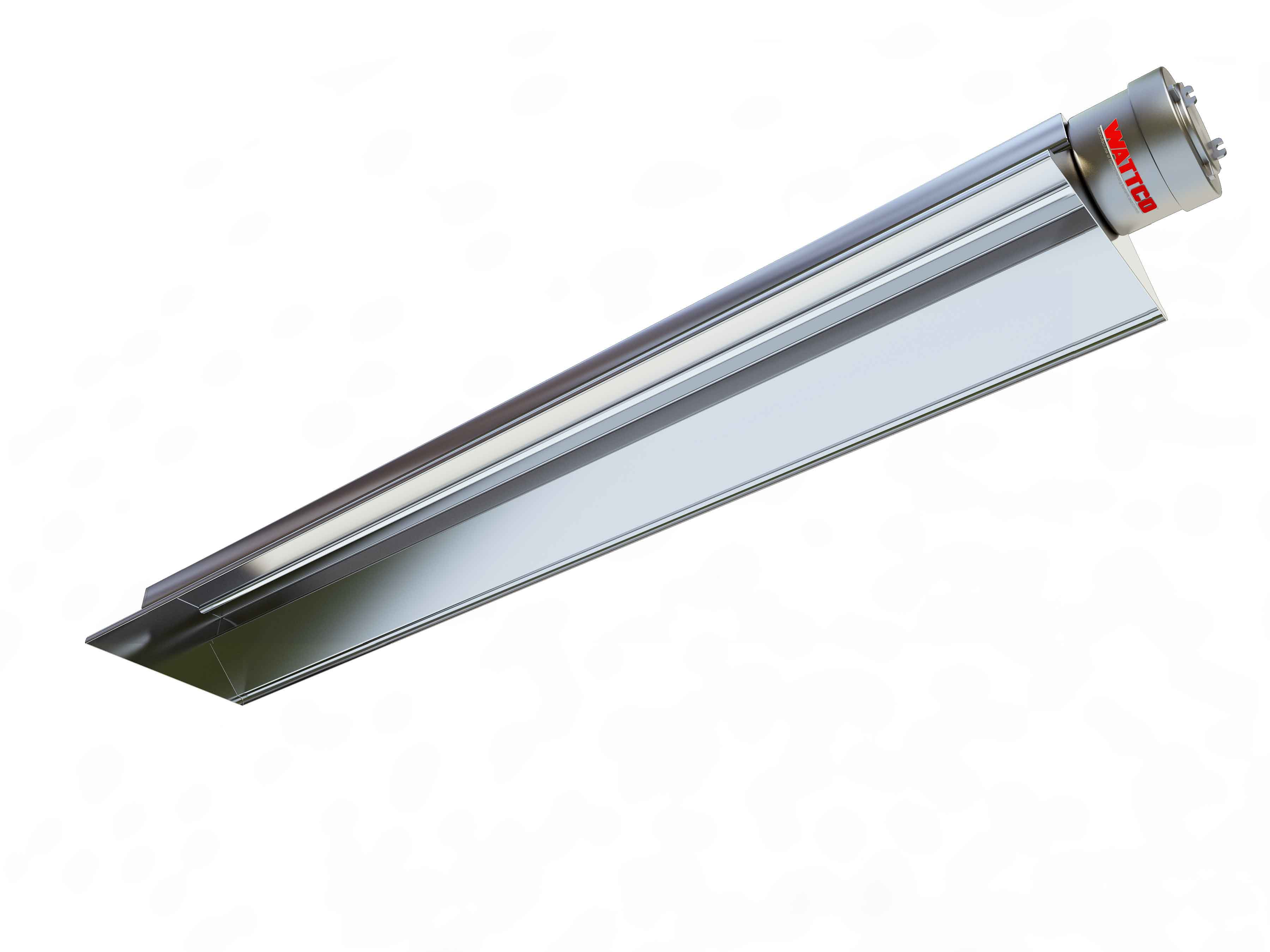
- Infrared Heating: Emits infrared radiation, which directly heats objects and individuals, as opposed to heating the air.
Types of Electric Heaters
Electric heaters can be made adjustable, responsive, and equipped with intelligent thermostats for maximum efficiency.
- Wall Heaters: Compact and mounted directly on walls, these are ideal for small rooms or supplemental heating. They usually include thermostats and fans to properly regulate heat.
- Baseboard Heaters: Baseboard heaters are installed along walls at baseboard height and provide low, consistent heat. These heaters are probably found in living rooms and bedrooms.
- Portable space heaters: Portable heaters are easy to use and convenient to use for limited amounts of time. These heaters consist of a ceramic heater, an oil-filled heater and a fan-forced heater.
- Radiant heater: Radiant heaters provide infrared heat largely for heating materials and is designed for spot heating.
- Underfloor Heating: Underfloor heating is usually installed under floor surfaces and provides luxurious, evenly distributed heating and is most often installed in bathrooms and kitchens.
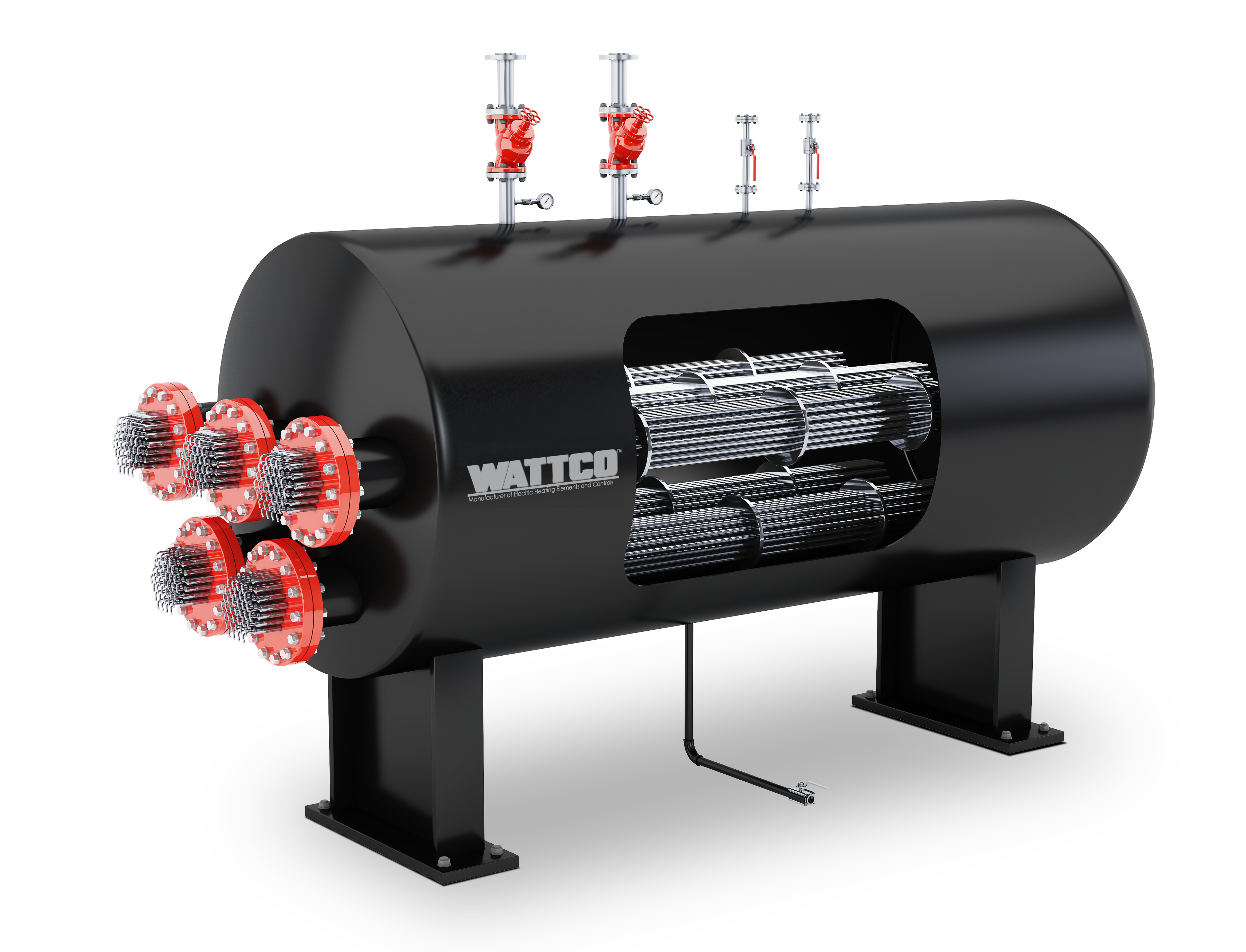
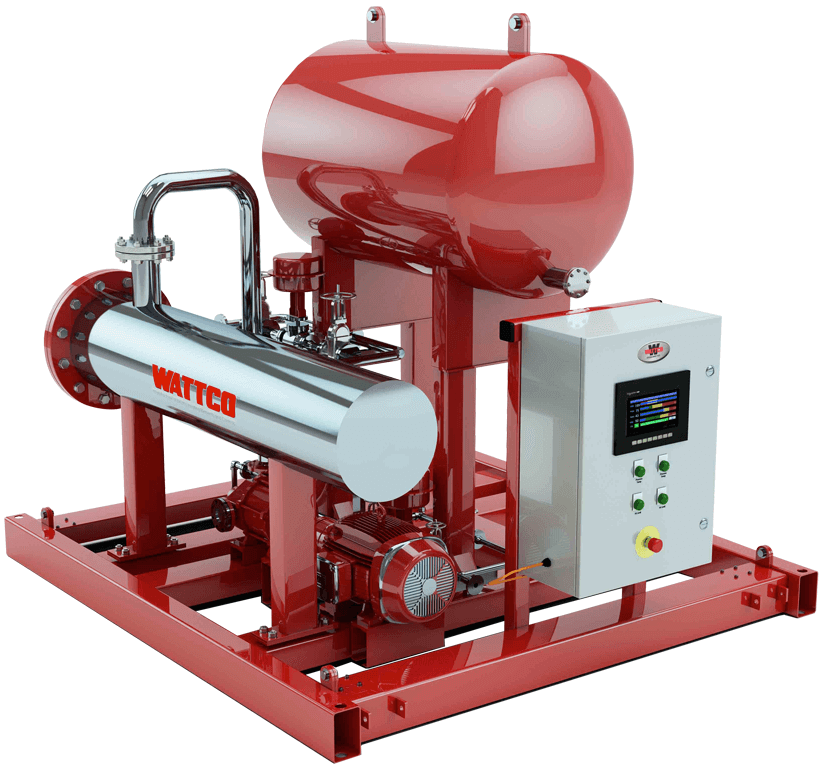
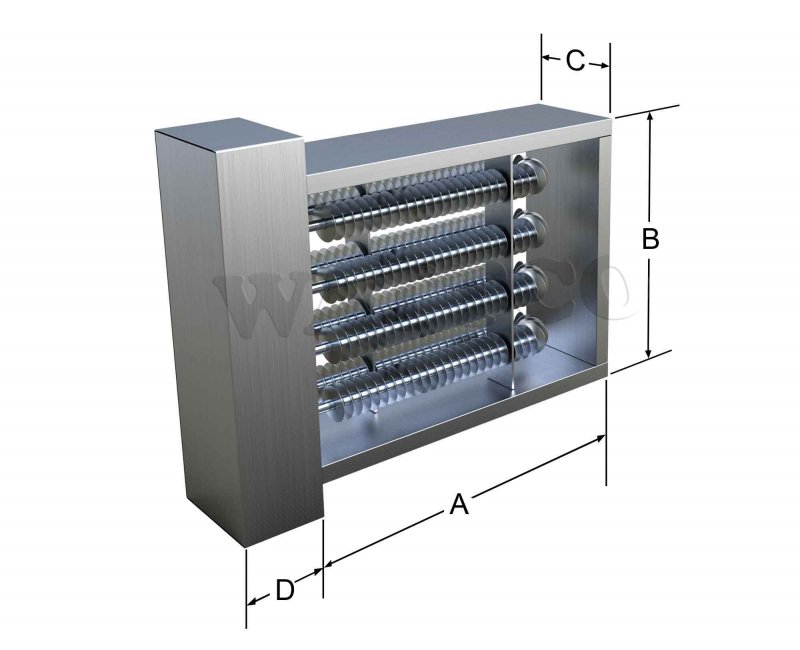
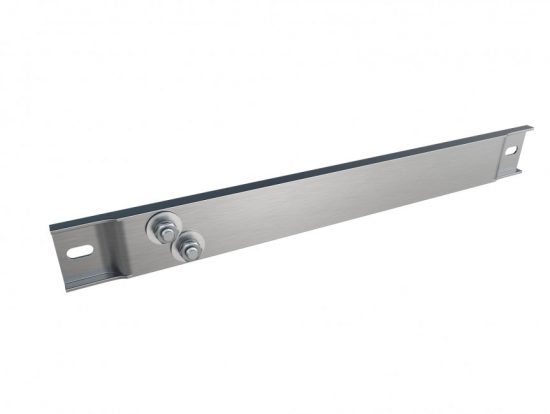
- Industrial Electric Heaters: Immersion heaters, strip heaters and duct heaters are for industrial applications in manufacturing processes, warehousing, or in buildings that are commercial in size.
Each of the above heating applications has its attributes depending on geographical location of the building, application of heat and level of comfort required.
Installations and Maintenance of Electric Heating Systems
Proper installations and maintenance are critical to the safety and efficient functioning of electric heating systems.
Installation tips include
- Load Requirements: You need to determine whether your electrical supply can handle the heater load before starting work.
- Placement of Heaters: Placement is everything not place heaters in front of windows or doors.
- Qualified People: Electrical work must only be done by qualified people, safety is the most important factor.
Maintenance suggestions
- Clean daily: Dust and dirt can affect efficiency and constitute a fire hazard.
- Monitor thermostat: It is good practice to monitor and adjust your thermostat periodically
- Wiring: Inspect exposed wires or wire insulation for any signs it may overheat.
- Annual Service: Schedule inspection visits to your heating source regularly to determine if your heating source has any later issues early and possibly increase its lifespan.
Cost-Effective Electrical Heating Options
Electric heating can be cost effective, if both the product is selected wisely and it is used wisely. These are tips to get the most value from it:
- Use Zoned Heating: Heat the rooms you use so that you do not waste energy on rooms you do not use.
- Invest in smart controls: Timers and programmable thermostats help eliminate unnecessary waste.
- Be sure to buy highefficiency models: Make a point of buying models with the Energy Star label or using new energy saving technologies.
- Supplementing with renewable energy sources: If electric heating is used in conjunction with solar panels, operating costs can be significantly reduced.
- Using offpeak rates: Some energy companies provide lower rates at offpeak periods — scheduled heating could be produced at offpeak periods to enjoy lower priced energy.
Although the cost of electric heating may be the higher priced energy source compared to gas heating in some areas, its efficiencies, as well as, safety and environmental benefits should always make it worth the cost.
Conclusion
Electric heating options have progressed to accommodate the eclectic range of needs of today’s home and industrial users. From the very small wall hanging heaters to hightech industrial options — this range of electric heater options helps ensure that all applications are heated without wasting energy and all can be safe.
The radiant, convective or conductive options can all be cost efficient and environmentally responsible heating choices when installed properly by qualified persons as well as controlled and maintained similarly. Whether you are updating the comfort in your own home or optimizing heating as part of an industrial process, you have a trusted path for warmth and efficiency when using electric heating.
Wattco custom manufactures electric inline heaters and heaters for direct steam injection. Our team of experts works with you to determine the best heater type, configuration, and materials for each project and budget. Contact Wattco today for electric heater quotes and information.