

How Temperature Limit Controllers Improve Panel Safet
Heating panels, whether in homes, commercial, or industrial spaces, are the most common things to be found. These heating panels have one job, and it is to heat the enclosed surroundings evenly by turning electrical energy into heat. But with any device that produces heat, there are key safety challenges like avoiding overheating, temperature regulation, and protection. These safety precautions are carried out by a Temperature limit controller.
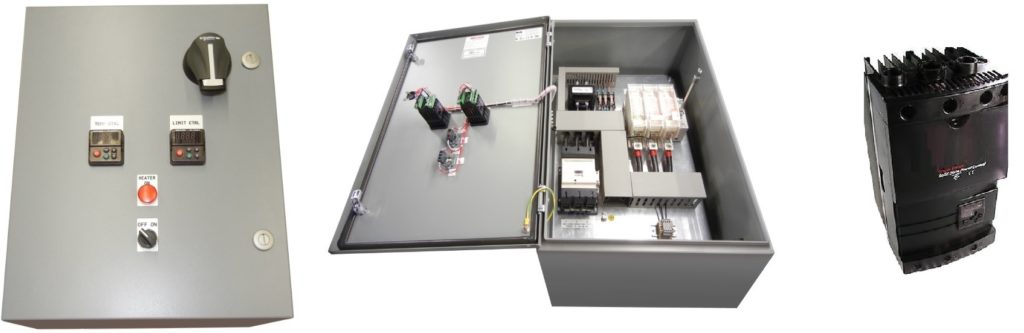
What is a Temperature Limit Controller?
Also known as High-limit Thermostat, Safety Cut-out, and Over-temperature Controller, a Temperature Limit Controller is a safety device that limits the temperature control panels of a heating system by maintaining them within a safe temperature range or preventing them from rising too high. This usually comes in two varieties for electric heating panels:
- A Safety cut-out high limit monitors the panel’s internal, surface, and key component temperatures to prevent dangerous temperatures. The controller opens the power circuit or signals the panel to shut off if a predetermined trip point is reached.
- A Modulating Controller monitors the temperature of the roof or panel surface and modulates heating so that the panel operates efficiently and avoids unnecessary overshoot. In order to improve comfort and cut down on waste, many contemporary panel heaters have thermostats and digital controllers that stop the panel from overshooting the setpoint.
In the modern units, both the thermostat with a safety high limit and a digital controller are combined.
Why does Temperature Limit Controller Safety matter?
Safety is an essential factor that cannot be compromised due to the potential dangers of overheating. As we know that the resistive components of the panel generate heat. If a problem occurs, such as obstruction of ventilation, a fan malfunctions, inadequate insulation, a faulty thermostat, or too much exterior heat, the internal temperature can exceed the safety limits. Such risks involve:
- Burn Hazard: When an electric heating panel is in use, its exterior or surface can become extremely hot, and accidental contact with such a surface could result in burns.
- Fire Hazard: Electrical arcing may result from damage to the insulation or faulty internal wiring. This results in a risk of fire, considering the rising outside temperatures.
- Damage or failure of Equipment: The components of the equipment might wear out faster if the system is operated continuously at high temperatures. Insulation might degrade, resulting in a decrease in the equipment’s overall lifespan.
- Poor or uncontrolled operation: If there is no limit control, the heater may behave erratically or continue to heat above a comfortable level.
Why Efficiency is Essential for Temperature Limit Controller?
Temperature limit controllers are important for electric heating panels’ performance and efficiency, in addition to safety. The benefits include:
Cutting Down on Energy Waste
The heater will not run longer than necessary if it has a proper limit, which a temperature controller provides. Panel heaters with timers and thermostats let you control the timer and temperature, which reduces unnecessary energy waste. Furthermore, some smart models adjust as needed when they detect that a window is open or that the room is already warm.
Increasing Comfort
The feeling of discomfort when a heater overshoots or cycles poorly makes it either too hot or too cold before the heater comes on again. A suitable temperature controller aids in maintaining a steady ambient temperature without significant fluctuations and without noise or draft from sudden operation.
Increasing the lifespan of equipment
Components deteriorate more quickly when they are often operated at or close to their failure limits. By guaranteeing safe operating temperatures, a temperature limit controller guards against this.
Control and integration quality
New electric panel heaters frequently incorporate digital control, scheduling, remote control/Wi-Fi, low-surface-temperature design, open-window detection, fan assistance, etc., in addition to an on/off thermostat.
A temperature limit controller improves the overall system’s performance, dependability, and safety when it is included in that ecosystem.
How do Temperature limit controllers operate?
Here’s how to understand the technical operation of the controllers.
Taking a temperature reading
Usually, temperature limit controllers detect one or more of the following:
- Temperature of the chassis or internal heating element: In areas where overheating could happen, a lot of limit switches are mounted to the heater chassis or positioned close to the heating element.
- Surface temperature: A controller keeps an eye on the surface temperature of the panel to make sure it is below a safe threshold limit if the panel is in proximity to people, in case of accidental touches.
- Ambient and airflow path temperature: Most sophisticated systems check on airflow or room temperature in order to identify unusual circumstances.
Threshold and its action
Once the controlled temperature reaches the set trip point, the controller has to take an action, like:
- Open power circuit/turn off heater: The usual response of the heater is to cut the power so that it remains off until it’s safe.
- Indicate an alert: The controller also may indicate an alert to reset the temperature.
- Automatic/ Manual reset: Some controllers can automatically reset, but others require manual intervention so that the user acknowledges the problem to avoid such instances in the future.
- Reducing the mode: In advanced controller systems, there is a feature that switches to a lower mode rather than shutting off fully.
Placement and structure
The sensor is placed at a location relative to the hottest spot. If it’s in a cooler place, the heater could overheat before the trip kicks in. For this to work, the temperature needs to be set appropriately. It can’t be too high or too low. Another important thing to keep in mind is the electrical environment, like the voltage limit. The wiring must comply with the safety standards.
How does the controller enhance safety and efficiency?
The main job of a temperature limit controller is to ensure safety and efficiency, and this is how the controller does that:
Safety profile
- Prevention of overheating: Overheating is the most common failure in heating panels. Limit controllers shut down power in case the temperature crosses the safety limit, preventing the melting of components.
- Reducing fire hazard: Many fires originate from unsafe temperature rise in heating panels, and the controller helps avoid that. It breaks the electrical circuit in such cases to stop the accumulation of heat and prevent arcing.
- Protecting wiring and other components: Due to continuous operation at high temperatures, there can be insulation that accelerates the ageing of wires and terminals. Controllers prevent such conditions by shutting down early and preventing heat damage.
- Ensuring system behaves even in failures: The controller ensures that the system behaves even if the thermostat fails, or the relay gets stuck, or if there are system malfunctions. It works independently of such conditions, which makes the system fail-safe.
- Ensuring safety for humans: The manual reset system in controllers adds a layer of safety so that the cause of overheating can be identified, making sure it is safe to operate again, and no hidden damage is overlooked.
Efficiency profile
- Less Energy waste: When heating panels run above necessary temperatures, they consume excess power and exceed optimal heating output. Controllers limit the system and avoid the waste of energy.
- Reducing wear and tear: Controllers avoid the degradation of the elements by keeping them within their ideal temperature range. This leads to a longer lifespan of the heater and reduces the downtime for maintenance.
- Avoiding Emergency shutdowns: Emergency shutdowns require more energy and cause inefficiency, like recalibration of the system and restart surges. This is why limit controllers avoid heavy energy restarts.
- Provides optimal operating conditions: The temperature controllers maintain a temperature range that is not too hot and not too cold. It keeps it within the range.
Conclusion
The usage of a temperature limit controller might seem like a small component, but in reality, it is one of the most important parts. It is the safety net that avoids overheating, reduces waste, and preserves the appliance. By monitoring the temperature and cutting off power when the temperature exceeds the safe limit, they eliminate the risk of overheating, fire, and damage to the appliance. Simultaneously, these preventative actions lead to minimal energy waste and stable system performance. It is critical to ensure proper installation, operation, and maintenance of a heater because that is what makes a difference in safety and efficiency. If done right, you have a heater that not only keeps you warm but also ensures it is safe, cost-effective, and reliable.
Our team provides expert guidance and customised heating control solutions to help you choose the right temperature limit controllers for safe and efficient electric heating panels. We assist you in selecting the ideal models, features, and integration options to ensure reliable performance, enhanced safety, and long-lasting operation. Contact us today for professional support and personalised recommendations for your heating panel control needs.