

What is a Pressure Vessel?
Last updated on November 25th, 2025 at 10:20 am
Pressure vessels are carefully fabricated, enclosed containers designed to hold gases or liquids at different pressures than the surrounding air. These vessels have a variety of purposes in the industrial market and the private sector. Pressure vessel fabrication and operation present inherent danger. So there are stringent regulations on the manufacturing of pressure vessels by engineering authorities.
What is a Pressure Vessel?
The term “pressure vessel” is used to refer to a type of container which can maintain a certain amount of pressure inside of it. The pressure within a pressure vessel may be considerably higher than the atmospheric pressure outside the pressure vessel. Pressure vessels can be designed and constructed to safely contain high levels of internal or external pressure due to heating, chemical processing, or mechanical means.
A small amount of failure in a pressure vessel may cause extensive damage to other vessels near the pressure vessels connected to them. Therefore, pressure vessels are designed and built in accordance with established engineering standards; manufactured from high strength materials; and are subjected to a thorough examination and evaluation of their structural performance through a rigorous testing regime.
Pressure vessels are used in many applications that take place within an industry environment. Examples of industries that utilize pressure vessels include the Oil & Gas industries; chemical processing; Power Generation; food/beverage manufacturing; Pharmaceutical Manufacturing; and HVAC systems. Generally speaking, pressure vessels are used for the storage and/or processing of steam, air compressed gas; fuel; chemical refrigerants; and liquid products that are heated to a certain level.
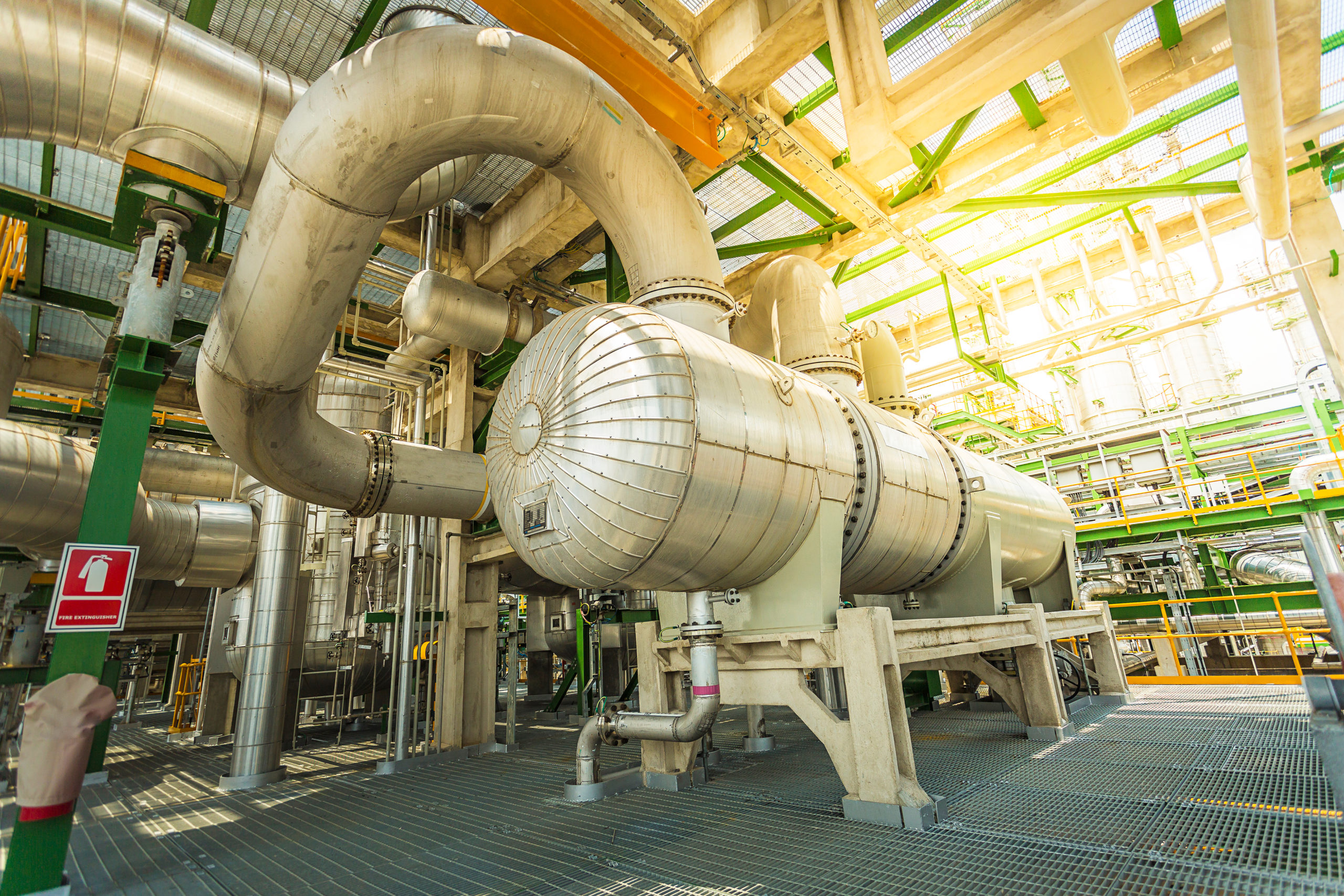
Types of Pressure Vessels
Hypothetically, pressure vessels can take many different shapes. However, the most common shapes are cylinders, spheres, and cones. The combination of a long cylinder with two caps (heads) is a typical design.
Industrial manufacturers usually offer a variety of ASME standards or custom pressure vessels. Most commonly utilizing carbon steel or stainless steel for oil/gas and water containers. These pressure vessels are classified as Type I-Type IV.
Pressure Vessel Uses
The majority of pressure vessels are for industrial use. Some private-sector applications include hot water storage tanks and diving cylinders.
Industrial uses for pressure vessels include distillation towers, hydraulic reservoirs, and containment of liquefied gases. Industrially, pressure vessels can be used for high-pressure or low-pressure containment, depending on the need of the client and the materials used.
Industries can also use them for cooling and process heating. Another use is as a means of achieving secondary containment in processing materials.
For use with either gases or liquids, pressure vessels can be used in tandem with electric immersion heaters. Industrial versions of these heaters achieve the heating of various substances (water, oils, gases, and solvents) through direct contact.
Immersion heaters mounting on pressure vessels are available with flanged, welded, or threaded connections. The combination of electric immersion heaters and pressure vessels is ideal for heating gases and liquids and generating steam.
Also Read: 4 Types of Pressure Vessels Based on Industrial Use
Fabrication Process
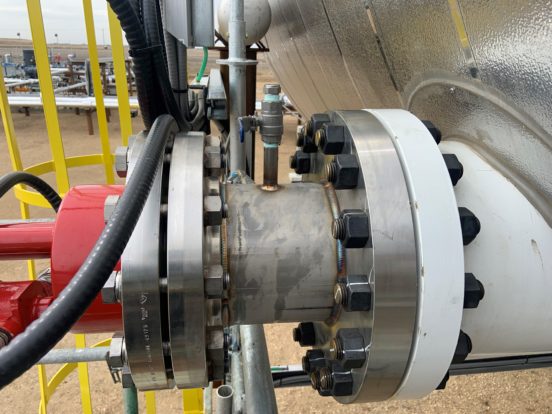 Pressure vessels fabrication employs a variety of materials. Stainless steel is one of the most common materials, although steel types vary depending on use operating conditions.
For example, engineering standards only require steel with high impact resistance to manufacture pressure vessels. For some applications of steel pressure vessels, engineering standards also dictate the use of corrosion-resistant material.
Pressure vessels fabrication uses a partially load-bearing liner made from metal, ceramic, or a polymer. This liner helps to bear the load of the interior pressure and protects the vessel from the contained substance, and protects against leaking. Pressure vessels must follow strict manufacturing standards for fabrication.
Several authoritative bodies establish fabrication codes, including
- American Society of Mechanical Engineers
- National Board of Boiler & Pressure Vessel Inspectors
- EU Pressure Equipment Directive
Pressure vessel manufacturers should follow one or several of these sets of regulations.
Wattco custom manufactures electric heaters for all industrial pressure vessels. Contact us today for pressure vessel heater quotes and information.