

What is Impedance Heating?
Impedance heating is a clever approach to pipe heating. The pipe itself becomes the heater element rather than installing a heater into the pipe. The heating method achieves this by applying low voltage AC to the pipe with electricity. As the current moves through the piping, heat is created by the pipe materials’ resistance to the current.
This method of impedance heating has the potential for use in many pipe heating applications.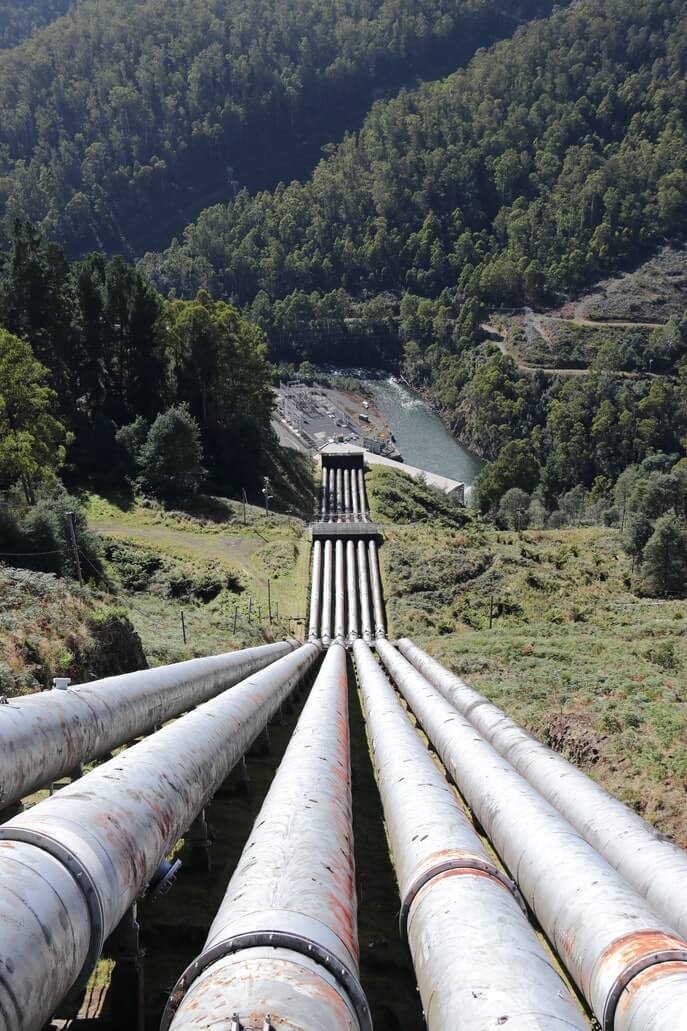
Potential Applications
Pipelines
Pipelines carry fluids of all sorts that are necessary but may present hazards. For example, crude oil, sewage, and natural gas are commonly carried in buried pipelines. This makes their transportation safer for people and reduces the environmental impact of their transport. However, it does create challenges for access and heating.
Pipe heater solutions like impedance heating provide an effective solution for freeze protection, heat tracing, and temperature maintenance. These protect products and equipment while maintaining flow in the pipeline.
Preheating
Especially in construction applications, impedance heating offers interesting solutions for preheating. It can help increase the fluidity of heavy oils and asphalt, making it possible to pump from a cold start. Using this method would reduce the pipe heater exposure to physical damage from construction equipment, dust/debris, and weather.
Temperature Rise
The voltage is applied across sections of the pipe. This makes it possible to react to gas or fluid temperatures increases as they flow past inlets and outlets. As well, because there are no exposed heater elements, this heating method can be beneficial for corrosive materials.
What are the Benefits of Electric Pipe Heating?
Impedance heaters and other types of electric pipe heaters offer several advantages for heating tanks, pipes, and pipelines.
Cost
Pipe heaters offer a low-cost solution from start to finish. From the get-go, they provide low costs to purchase and install. They have low energy costs and further benefit from the efficiency of electricity. As a result, their operational costs are low.
They also require minimal maintenance, and any repairs and replacements are easy.
Insulation
Especially where freeze protection is a concern, existing insulation can present a problem for installing a heater. Where the heater is placed, insulation may have to be removed and may see some effectiveness losses. This is an area where pipe heaters excel.
Electric pipe heaters do not compromise the integrity of the existing thermal insulation. Since they provide indirect heating, there is no need to remove insulation for installation.
Lack of Complexity
Impedance heaters, and electric pipe heaters in general, use a simple design. This is particularly valuable for applications like pipeline heating. The length of pipelines means any failures in heating can make identification and repairs time-consuming.
The lack of complexity in their design reduces the risk of failure. It allows for easy repair or replacement. Because pipe heaters use indirect heating, they are also highly accessible for this purpose. Also, because the heaters target pipe sections, failure locations can be more easily identified.
Low Voltage
Low voltage heating can allow for safe and even heating. This is important for applications like fossil fuel transportation, where there are ignition risks. Pipe heaters can operate at a wide range of temperatures, and are their low voltage makes them the best option for high-temperature pipeline heating.
Pipe Heater & Impedance Heating Quotes
Wattco custom manufactures electric heaters for pipelines and industrial applications. Our team of engineers works with you to design the optimal heater for the budget and requirements of your project.
Contact Wattco today for electric pipe heater quotes and information.