

The Most Efficient Electric Heaters for Industrial Applications
Last updated on September 4th, 2025 at 10:29 am
Heat in industrial situations is greatly influential in not only the comfort of personnel, but also the continuation of important processes including material treatment, drying, melting, and heating fluids. Selecting an electric heater that provides maximum efficiency will not only save costs, but yield productivity gains. This article discusses electric heating efficiency, rating systems, technologies available and examples of high-performance systems designed for industrial applications.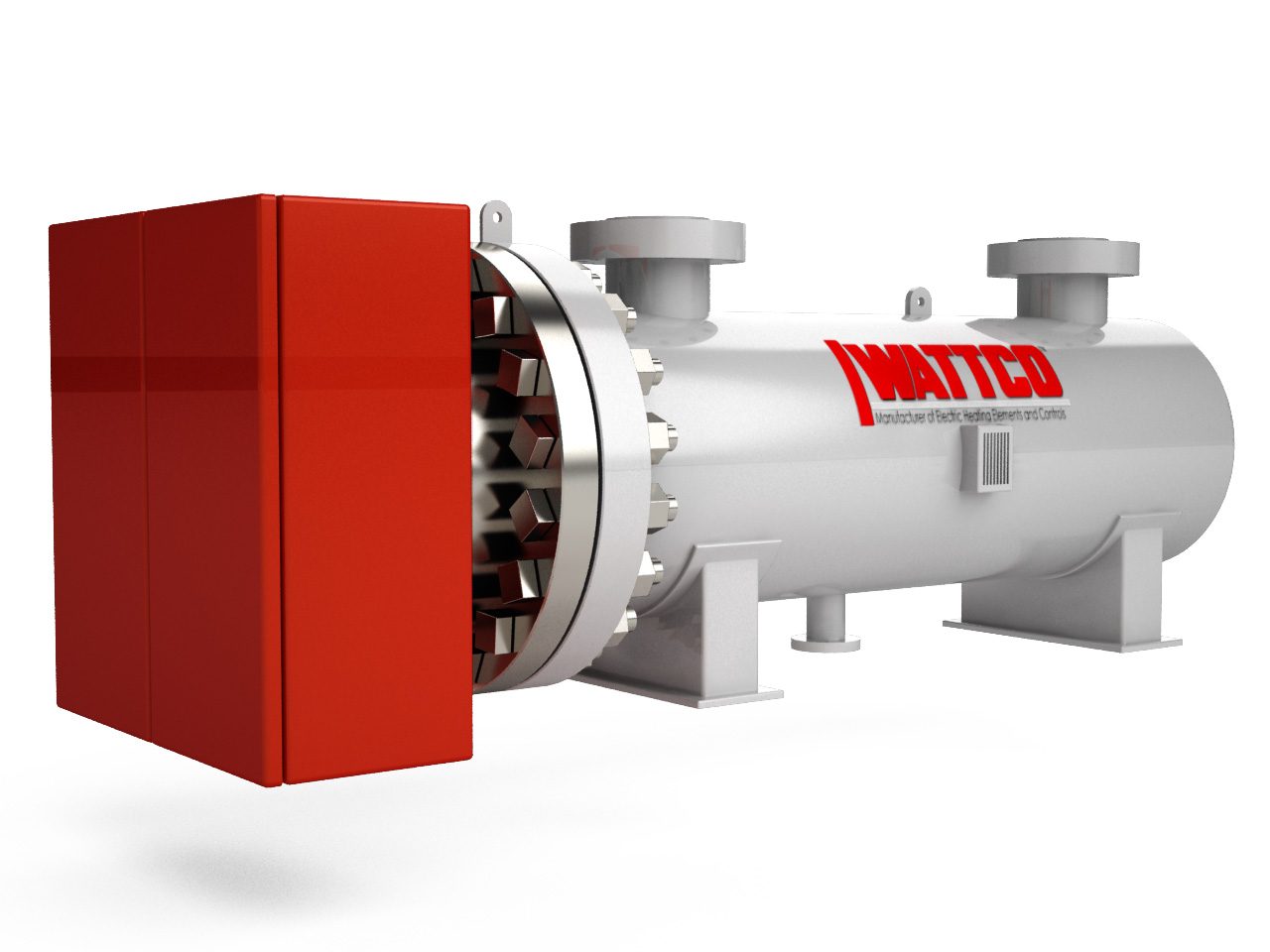
Understanding Efficiency of Electric Heat
The efficiency of electric heating is generally identified as the percentage of electrical energy that has been converted to useful heat. Most electric heaters are close to 100 percent efficiency at the point of use, but there are other contributors to efficiency, including:
- The precision of heat output
- The degree of precision with process controls
- Heat losses to the ambient environment
- The response time to achieve heat and habits of the heating means
Efficiency also means to limit waste. A heater that reaches temperature with no overshoot or lag, will be more efficient than one that requires control adjustments constantly, or is all-consuming on a continuous duty cycle or generates an erratic heat delivery pattern.
How Electric Heating Elements are Rated?
Electric heating elements are rated according to many criteria that affect performance, dependability, and suitability for the intended use.
Watt Density
Watt density, measured in watts per square inch, indicates the amount of power in a heating element. High watt density will allow for smaller designs and quicker heating time; however under some conditions it may limit the lifespan of the heating element if heat dissipation is not carefully managed.
Material Selection
Nichrome is more resilient and has greater values of resistance, while Kanthal is the conventional metal alloy for many high temperature applications because of its oxidation resistance.
Temperature Ratings
Most industrial heaters are typically made for use in harsh environments. Rating elements for the proper temperature range will help ensure safety and product life when required.
Electrical Compatibility
Volts and amperage need to be compatible with the project; if less volts or amps are applied, the system will not be efficient; if over voltage, the system can be overloaded.
Understanding the heater ratings, associated specifications, plant operational parameters, and owner efforts can assist plants in locating heaters compatible to their needs while minimizing downtime.
Best Electric Heating Types for Industry
Industrial applications use different kinds of heating technology depending on what type of industrial processing is applied. Here are some of the heating types you will find tirelessly in their application in industry effective and simply used:
Induction heaters
Heaters are very common in metal working operations and induction heating use electromagnetic fields to generate heat inside conductive objects. They are clean energy, fast and highly efficient especially for localized heating.
Infrared heaters
Infrared heaters are a great option for drying surfaces, curing coatings, and warming localized work stations. They transfer energy using radiation, primarily focusing on the objects without heating the ambient air.
Immersion heaters
Immersion heaters are a good option for heating liquids in tanks and vats. It is a direct contact method of heat transfer, available in a variety of configurations like flange heaters, screw plug heaters, and over-the-side heaters.
Tubular heaters
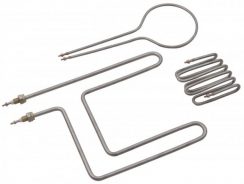
Flexible durable heaters that are constant in process utilization and I see common install locations are ducts, heating ovens and enclosures. Customized tubular heaters can be configured to meet up with your installation location and heating requirements.
Electric boilers
If you require steam or pressurized hot water for processes, electric boilers offer a much cleaner and safer alternative to using a fuel-based boiler system. Electric boilers can also make compliance with emissions regulations simple. Electric boilers can be installed anywhere in your facility.
Each heat type has a few ideal use cases and the best choice to suit your application will include their uses, ambient conditions and scalability.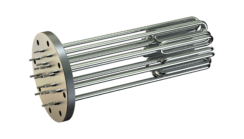
Integral Electric Heating Systems: A Case Study
To demonstrate the concept of applying electric heating to an industrial process flow, we will examine a plastics manufacturer, mid-sized, that was using gas to heat the molds of their products before switching to electric cartridge heaters.
Background
The company was seeing varying temperatures and frequent interruptions due to maintenance associated with heating molds using their legacy system. After a review of the standard process, they decided to move to electric cartridge heaters that were integrated directly into the individual molding unit.
Results
- Even heat distribution across the molds was achieved.
- Improved process stability reduced waste rates and quality defects.
- The company had less maintenance requirements associated with the heaters as their life expectancy was significantly improved.
- The company used 18% less energy in the first year compared to the legacy system.
This example demonstrates how integrating electric heating into the core equipment can improve not only efficiency, but lead to overall process improvements.
High-Output Electric Heaters for Heavy-Duty Applications
There are processes that involve temperatures that are out of the norm, either very high or extended exposure to demanding applications.
Ceramic Heaters
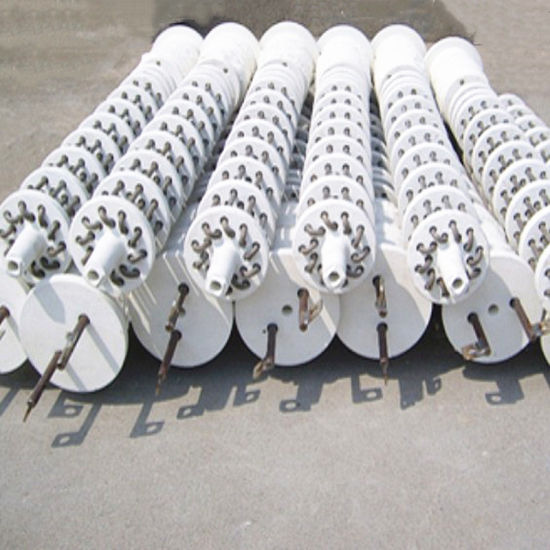
These types of ceramic heaters can reach temperatures beyond 1000 degrees Celsius and are typically found in metallurgy applications, material science laboratories and precision applications. They can handle rapid temperature change and are very durable.
Quartz Heaters
This type of heater can respond very quickly, for example, they could heat an outer wall in a 90 minute window, and then set it to 300 C surface temperature for a high purity clean room application. This also includes pharmaceuticals.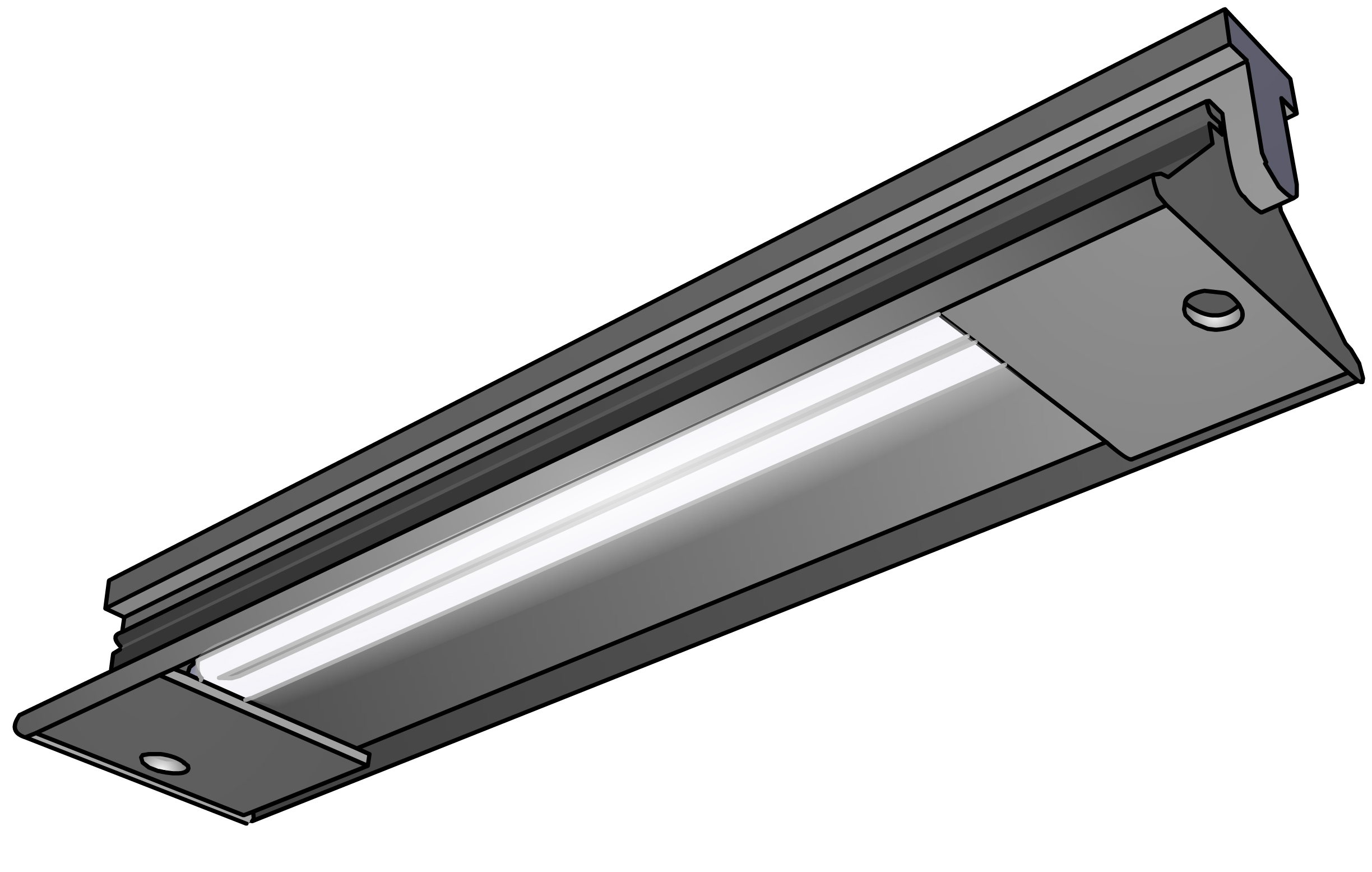
Mica Band Heaters
Mica band heaters can be formed to wrap around different shapes, including barrels and cylinders. Mica heaters help maintain an even temperature across a surface and are frequently utilized for injection molding and extrusion.
These heaters are high-output, combining excellent performance with durability (like metal sheath heaters) and are designed to operate under pressure while maintaining safety and consistency.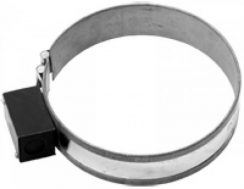
Energy-Efficient Electric Heaters for Industrial Applications
Energy efficiency of electric heaters in industrial applications includes more variables than just physical design; it also includes controls, integration, and approach to operation.
Smart Controllers
Smart controllers, which use PID (Proportional-Integral-Derivative) control systems, allow facilities to control heat with precision, reduce wasted energy, and maintain energy as consistent outputs.
Thermal Insulation
Insulation is also important to decrease heat loss to ambient environmental resources, to improve overall efficiency, and to help protect expensive equipment.
Modular Systems
Using integrated modular heater systems, as opposed to a single operational system, allows facilities to grow with demand without radical replacement of the entire system. Modularity also provides a maintenance advantage when isolating systems as single units.
Renewable Integration
Electric heaters can be easily bundled with renewable energy sources, like solar panels and wind turbines, for sustainable operational values. In some applications, facilities use electric heaters that can hybridise or beautify their energy usage from the grid during peak hours.
The early stages of planning for heater selection and management of energy in operations can drive enhanced economic performance and environmental performance for the facility.
Conclusion
Electric heaters are powerful, versatile, and efficient heat sources for industrial applications, whether they need to meet an exact thermal control level in manufacturing or highly durable heat sources in extreme environments, and can be used reliably in a variety of situations. Knowing how electric heaters are rated and comparing the best technologies available for specific processes or applying smart controls will help achieve the greatest efficiencies.
As industries begin to focus on sustainability and lower carbon and operational costs, electric heating will continue provided it is the correct solution. Investing in the right systems will lower energy use, reduce emission rates, and create safer and more uniform operation.
Maximize Efficiency with Wattco
Upgrade to efficient industrial heating with Wattco. Our most efficient electric heaters for industrial applications are designed to optimize performance and reduce energy costs. Get in touch with our team today to discuss your application needs and find the perfect solution.