

How ASME Pressure Vessel Standards Shape Fabrication
Pressure vessels are widely employed in industry for the high-pressure processing or storage of liquids or gases. These sealed vessels are employed in industries like nuclear, chemical processing, pharmaceutical manufacturing, power generation and food and beverage. Because of the dangers inherent in pressurised containment, pressure containers cannot be designed or built lightly. Thus, choosing materials and fabricating pressure vessels is critical because every application has different requirements.
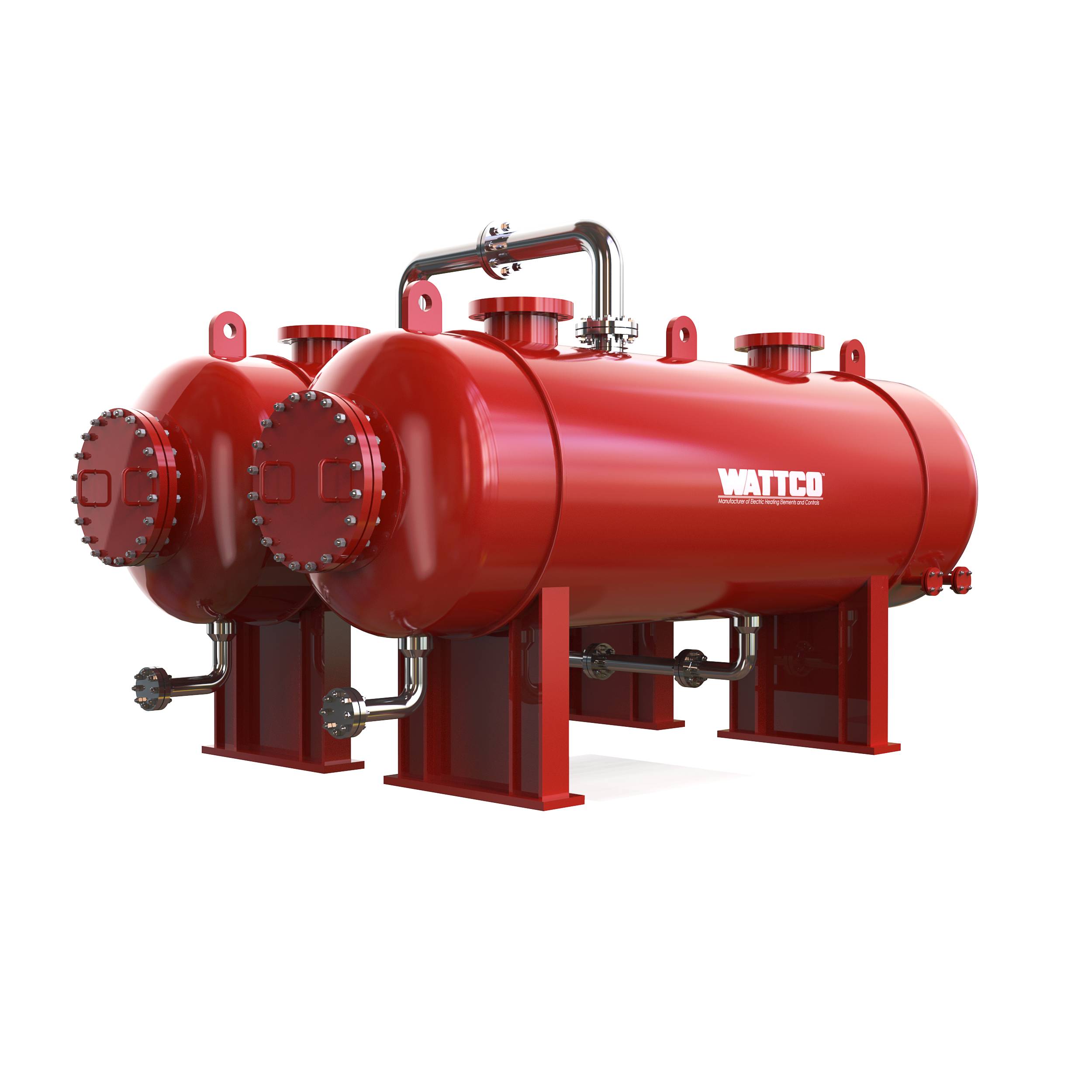
What are ASME Pressure Vessel and BPVC?
ASME, also known as “The American Society of Mechanical Engineers”, is a non-profit organisation that specialises in developing and publishing engineering codes, research and standards to promote advancement and development of knowledge in different fields of engineering. They establish standard design and manufacturing guidelines for boiler heaters and pressure vessels.
The ASME established the BPVC(“Boiler Pressure and Vessel Code”) and published the first set of international safety standards for the design and manufacture the installation, and maintenance of boilers and other pressure vessels in 1914.
The codes have since evolved based on research, investigations and advancements in engineering. This document provides stringent requirements for the design, fabrication, inspection, and testing processes that pressure vessels must go through before they are considered safe.
The objective is to give a methodical, thorough, practical, and technically sound explanation of the true steps needed in producing a pressure vessel that satisfies ASME standards. Adherence to the established codes and standards in the manufacturing of pressure vessels is critical to assuring their safety and reliability.
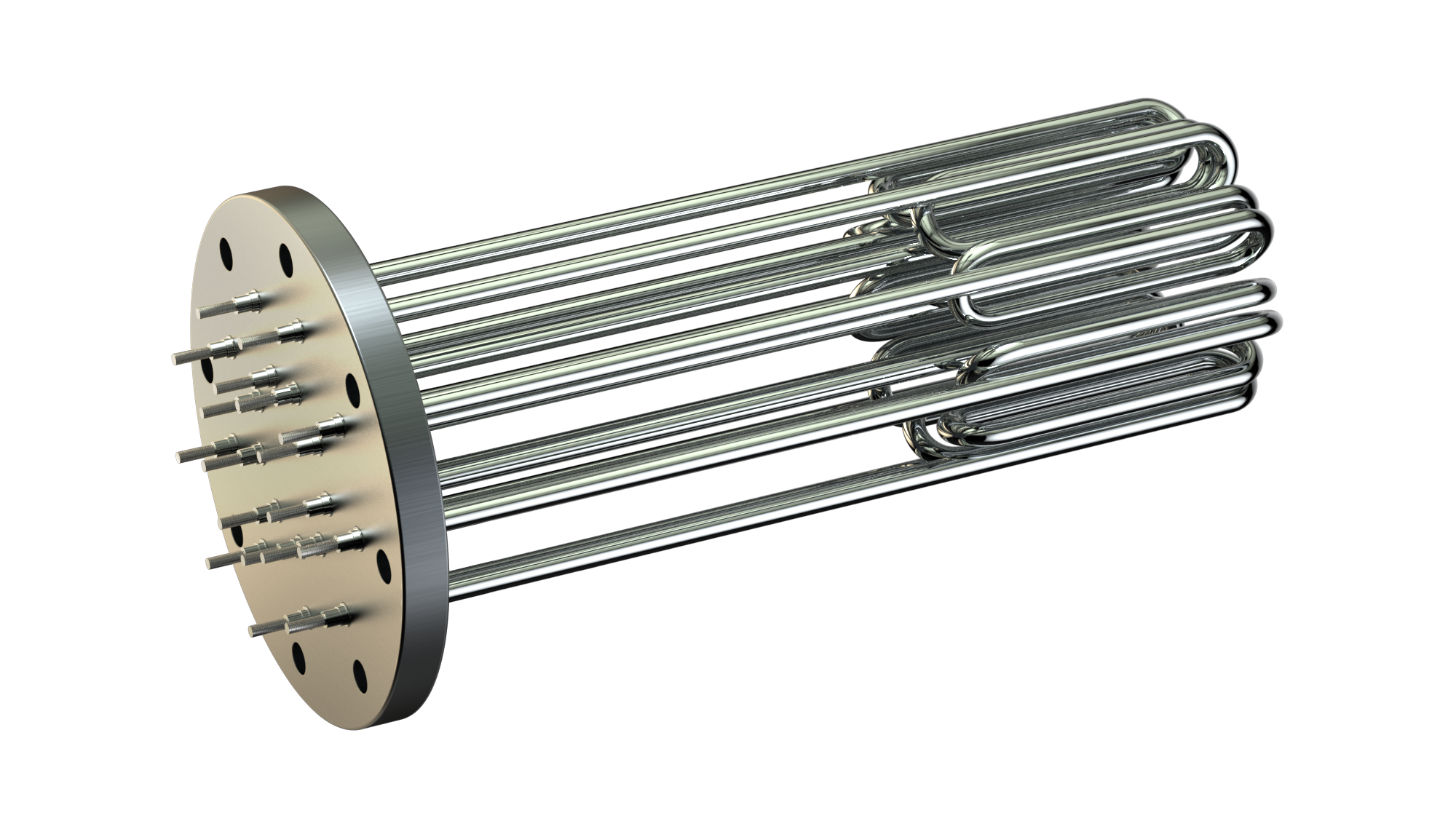
ASME Pressure Vessels
Section VIII of the ASME BPVC is applicable to both fired and unfired vessels operating at internal or external pressures higher than 15 psig. This section ensured vessel’s ability to safely sustain applied mechanical loads while in process.
The Section VIII is divided into 3 divisions:
- Division 1: Allows vessels beyond 15 psig. This division makes use of conservative safety margins and a streamlined design approach and covers general pressure vessel construction rules.
- Division 2: Applies to more detailed material qualifying, higher permissible stress intensity values, along with a more thorough design analysis than Division 1. It is frequently utilized in situations involving human occupancy containers, reduced wall thickness, or weight efficiency.
- Division 3: Usually applies to vessels with pressures above 10,000 psi.
Although each division supports a distinct design category, all system designs must strictly adhere to the fundamental guidelines of appropriate material selection and manufacturing quality, along with safe stress distribution.
Also Read: Importance of ASME Vessels in Boiler Heater Safety
Material Used for ASME Pressure Vessels Construction
Only those specified in the ASME code materials tables are allowed. A few things to think about when selecting materials are:
- Temperature and operating pressure
- Exposure to chemicals or a corrosive environment
- Durability and fatigue requirements
- Toughness, fracture resistance, and weldability
- Experience of the manufacturer and the availability of the supply chain
According to ASME tables, each material has an acceptable stress for a range of temperatures. These permissible stresses are used in designs to guarantee that wall thicknesses or reinforcing calculations meet safety requirements. Code vessels with unapproved or special materials that ASME has not recognized are not accepted.
Design and Stress Calculation of ASME Pressure Vessel
Design engineers use the ASME formulas to guarantee structural integrity after materials are chosen. The code lays out guidelines for shells, heads, nozzle reinforcement, attachments, supports and stiffeners. And the design must consider:
- Internal and external pressure
- Allowance for thickness in case of corrosion over time
- Varying efficiency factors due to different welding techniques and NDE coverage
- Fatigue, cyclic loading, and temperature impacts
- Combined loads of weight, pressure, wind, and seismic
- Concentrations of local tension, apertures, and reinforcements
Division 1 has safety margins incorporated into formulaic designs. Division 2 may support larger stress intensity factors and more complex stress analysis techniques (such as elastic or limit load approaches). Engineers must always provide thorough calculations and drawings for evaluation in addition to fabrication.
Also Read: Factors to Consider When Choosing Pressure Vessel Materials
Controlled Fabrication Processes of ASME Pressure Vessel
As soon as a qualified design is in hand, the process of fabrication starts. It includes material cutting, forming, welding, fit-up, machining, assembling, and inspection. ASME mandates that fabrication be done in accordance with documented, disciplined procedures.
Qualifications and Procedures for Welding
- The procedure, filler metal, preheat, temperature, heat input, and other factors is covered in the Welding Procedure Specification (WPS).
- The WPS must deliver satisfactory material quality during testing, as shown by the Procedure Qualification Record (PQR).
- The Welder Performance Qualification (WPQ) ensures that each welder can consistently execute the WPS.
- Welding code joints is restricted to welders who meet WPQ qualifications in the applicable joint configuration.
Fit-up, Machining, and Forming
Deformations, residual stresses, and unauthorized surface or edge damage must be avoided or corrected. For welding preparation, some essential things are correct alignment, root openings, and cleanliness. There are inspections at each stage of the process. Manufacturers frequently employ intermediate quality control methods to identify issues before they escalate.
Post-Weld Heat Treatment (PWHT)
Many vessel designs necessitate post-weld heat treatment, or PWHT, especially for thicker sections or certain specific alloy kinds. It guarantees ductility, minimises residual stresses, and manages the heat-affected area. The ASME code outlines acceptable PWHT ranges according to the type of joint, thickness, and material used.
This treatment must be carried out in authorized localized heaters or regulated furnaces. Tracking and documenting temperature ramps, soak times, and the rate of cooling is essential as the certification documents include these heat treatment records.
Final Testing and Non-Destructive Examination (NDE)
For the welds to be approved, a final test must be completed. ASME mandates NDE methods to detect flaws and verify the integrity of the weld. Typical techniques for testing include Radiographic Testing (RT), Ultrasonic Testing (UT), Penetrant Testing (PT), Visual Testing (VT) and Magnetic Particle Testing (MT).
Coverage, or the percentage of weld length or area that needs NDE, is determined by the design, WPS, and code requirements. Division 2 has stricter NDE requirements than Division 1.
Typically after NDE, a hydrostatic pressure test is necessary, in which the vessel is filled with water and pressed above design pressure. This test verifies if there are any leaks and confirms that the structure is sound. Every test result must include the test method, acceptance criteria, pressure-time curves, inspector signature, and record retention.
Documentation and Certification for ASME Pressure Vessel
The quality of ASME pressure vessel manufacture depends on its documentation. From the raw material until the last inspection, each stage needs to be traceable and recorded. Important documents consist of:
- Heat certifications or Mill Test Reports (MTRs) for materials
- WPS, PQR, and WPQ documents
- Dimensional check and fit-up reports
- Heat treatment logs and charts
- Acceptance/non-acceptance records and NDE reports
- Data curves for hydrostatic tests
- Sign-offs from authorised inspectors
- Report on Manufacturer’s Data (MDR)
A pressure vessel cannot be certified or stamped if its records are not full and verifiable. The records act as an engineering and legal audit trail. A vessel can achieve its ASME certification stamp with a usually a “U” mark or other variations such as UM, UV, U2, etc., upon complete compliance in design, construction, testing, and paperwork. This stamp can only be applied by ASME-approved manufacturers. That stamp serves as evidence to customers, owners, and authorities that the vessel satisfies accepted safety requirements.
Conclusion
The acceptance and usage of the ASME guidelines and codes are not optional. An understanding of ASME fabrication standards is essential for anybody developing, designing, or constructing pressure vessels. Strict adherence to the code, strong quality control, and profound respect for it are important for the integrity, safety, and longevity of pressure vessels.
Wattco delivers expert guidance and custom pressure vessel solutions built to ASME standards. From material selection and precision fabrication to testing and certification, our team ensures maximum safety, reliability, and long-term performance. Connect with us today for professional support, compliant manufacturing, and tailored pressure vessel services.