

Wattco offers professional support and customized electric heating solutions designed to enhance and sustain your steam heating systems. Our experts assist you in selecting the ideal components and maintenance tools to ensure your boiler operates safely, efficiently, and reliably for years to come. Reach out to Wattco today for expert advice and quotes on steam heating equipment and services.
The Pros and Cons of a Steam Heating System
Steam heating is among the oldest and most dependable ways to distribute heat in residential, commercial, and industrial settings. The process of a steam heating system begins at a boiler that heats water to steam. The steam is high-energy vapour that travels through pipes to radiators, where it releases its thermal energy to the room, condenses back into water (called condensate), and returns to the boiler for reheat in a very strong thermodynamic cycle.
The operating principle is simply a continuous loop of steam condensing and the water returning to the boiler, making a working solution that has stood the test of time. Steam heating modules have been historically relevant in large, high-rise buildings that offered a great combination of capacity and operational challenges. Weighing the pros and cons is a prudent exercise before deciding on one of these heating solutions.

Advantages of Steam Heating Systems

Steam heating systems provide several distinct advantages, particularly advantageous in applications requiring high heat output and durability.
High Heat Transfer Capacity and Efficiency
The main benefit of steam is its higher thermal energy content. Steam has significantly more latent heat than hot water, and large amounts of energy are released upon condensation.
For example, a pound of low pressure steam at 212℉ contains over six times usable heat of hot water at that same temperature. High heat carrying capacity allows for quick and effective heating, thus steam is ideal for quickly heating large open spaces, buildings with tall ceilings or multiple floors.
The ability to rapidly transfer heat means that it can quickly respond to sudden heat demands, reaching the desired temperature quicker than most low temperature systems.
Because steam delivers high energy per unit of mass, the required pipework can be smaller in cross section than hot water systems, which may help reduce initial install cost.
Read a case study on Circulation Heaters for Gas and Steam Heating Applications
Exceptional Longevity, Durability, and Cleanliness
Steam heating systems are known for their durability and long life span. These systems are made of heavy, durable materials that can endure high heat and high pressure, and last in excess of thirty years with appropriate management, oversight, and operator’s maintenance. In addition, steam heating systems are less complicated to operate. Old systems relied upon pressure and gravity for operation. Several larger mechanical parts such as circulating pumps are avoided in older steam heating systems.
Fewer components mean lower wear and tear. Additionally, a well-functioning steam system delivers heat through consistent, radiant warmth. It is a cleaner heat source than forced-air systems, which circulate dust and allergens through ductwork. This can provide an important consideration for occupants with respiratory sensitivities. This combination of durability and clean, gentle heat is a major benefit.
Disadvantages of Steam Heating Systems
Besides their advantages, steam systems have a few drawbacks related to complexity, safety, and control.
High Initial Cost and Specialised Care
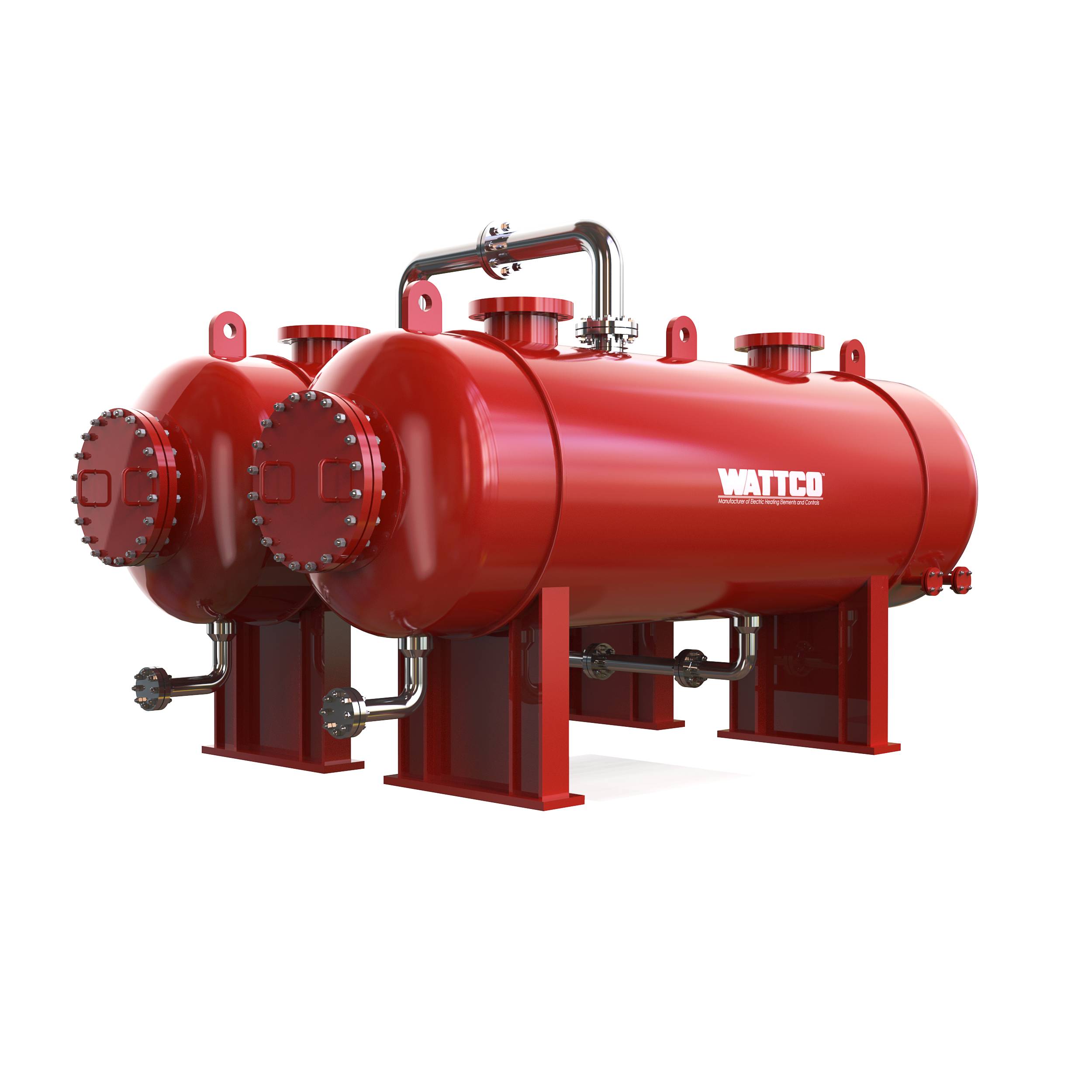
The initial installation and retrofitting cost of a steam heating system exceeds that of hot water or forced-air systems. The complexity of the boiler, which is a pressure vessel, as well as many specialized components such as steam traps and control valves will add substantially to the cost. The steam system also requires specialized and frequent maintenance.
For example, managing the water level, ensuring boiler water is treated to prevent corrosion, and inspecting steam traps regularly are all skilled operations. The failure of components can lead to wasteful loss of energy or entire system failure. The need for specialized labor leads to a larger ongoing maintenance cost than the simpler modern heating solutions.
Safety, Noise, Control, and Corrosion Issues
The operation of steam systems exposes systems to higher pressure and temperatures than hot water systems, leading to greater safety concerns. High-pressure steam can cause severe burns if leaked, and the pressure vessel must be properly maintained and strictly adhere to safety codes. Additionally, steam systems are typically associated with significant operational noise as well. This is typically a water hammer, the loud banging sound that occurs when steam contacts accumulated water (condensate) in the pipes.
Furthermore, achieving precise temperature control is difficult. Unlike hot water systems, steam is supplied at a fixed and high temperature and its flow is not readily adjustable. With no real method to precisely adjust its flow, spaces often become overheated and comfortable temperatures become difficult for occupants to maintain. This occurs mainly due to the fact that in large buildings, temperatures vary significantly from one aisle to the next (aka hot and cold spots).
Finally, the constant circulation of steam and corrosive condensate makes the system highly susceptible to internal corrosion and leaks. Untreated water allows acidic condensate to erode metal components, leading to leaks that waste heat, raise fuel costs, and introduce fresh makeup water that accelerates the corrosive cycle.
Read a case study on Phase equilibrium
Conclusion
The steam heating system remains a reliable, high-capacity technology that provides significant heat transfer and an immense lifespan. Steam’s straightforward principle that relies on a minimal number of mechanical pumps ensures a high durability solution for heating large, arduous rooms. However, with these benefits come practical trade-offs. The high installation costs and complicated, specialized maintenance can provide significant economic impacts, while operation often generates instrumentally disruptive noise and safety concerns, due to the inherent characteristics associated with high pressure.
Depending on the building type, a closely supervised achievement of finely-tuned, even temperature control can be difficult. Ultimately, a steam heating system is best suited for applications where large heat loads and rugged durability are prioritized over precise temperature modulation and silent operation. For a heating system that has proven itself over centuries, the steam boiler represents a potent balance of power and permanence.
For property owners of industrial or historic buildings, the steam system may be the most convenient and practical option, assuming owners accept that “rigorous policies” and preventive maintenance will be prioritized for the long-term reliable functionality and safety of the system. Simply owning a steam heating system does not mean that an owner understands the need to follow the policies to maximize its performance and longevity.