

Calrod Elements
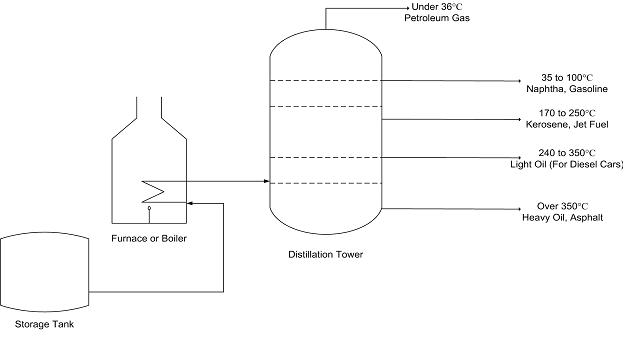
Starting from the past century, petroleum has gradually becoming a primary resource for human being. This valuation product is produced via multiple units from the oil refinery process. In overall, the crude oil is separated into valuable end-products via fractional distillation in a separation column under different multiple boiling points. In order to maximize the hydrocarbons heat transfer, the crude oil inlet usually enters near the bottom of the distillation column at a high temperature of over 350°C (Fig. 1).
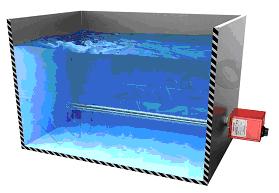
CalrodTM heater is the perfect solution for maintaining the temperature of the crude oil storing unit for any petroleum refinery. CalrodTM type is an electric tubular heater which is normally used to heat tanks or equipment of various sizes. CalrodTM heater composes of multiple compact and durable tubular elements that are clamped and immersed into a process unit (Fig. 2). One of the special characteristics of the tubular heater is the variability of its shape.
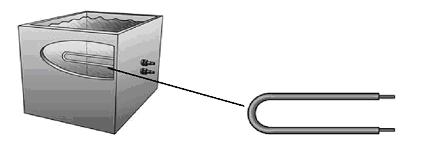
Figure 2 – Tubular Heating Elements immersed in a Liquid Tank
WATTCOTM tubular heaters are manufactured to be compatible to nearly all type of applications while oil storage tank is no exception. For example, the variability of the sheath material, shape and size can be adjusted to fit any storage tank size whether it is for crude oil or end-product use (Fig. 3). Custom bending option is also available upon request.
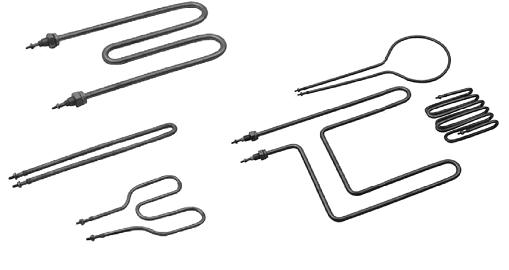
Figure 3 – CalrodTM Tubular Heater Manufactured by WATTCOTM
Inside of each Calrod tubular element, it consists of a Nickel Chromium wire, as the resistor, enrobed with compacted Magnesium Oxide for insulation. These parts are protected by an enclosed sheath material which can be steel, stainless steel, copper, IncoloyTM or Titanium depending on application (Fig. 4). For oil heating, steel sheath is recommended for the best performance. Once the heater is installed in the tank, and after starting the power, the radiant heat is generated from the resistance wire onto the surface of the tubular elements. The heat generated from the tubular heater spreads evenly around the liquid inside the tank. In order to ensure the heating to not initiate any unwanted chemical reaction inside the tank, a temperature controller is available to maintain a safe internal environment inside the unit.
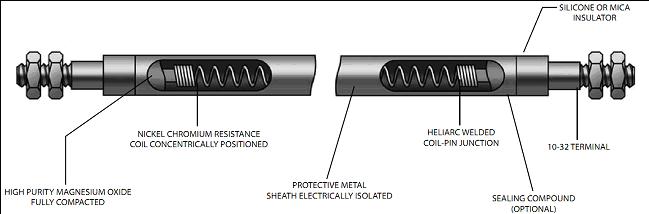
Figure 4 – Tubular Elements – Features & Components
CalrodTM tubular heaters are not limited to crude oil heating usage, they can be used for products after the distillation process as well. For example, heavier fuel oil residuals obtained at the lower section of the distillation tower (Fig. 1) require pre-heating before use in order to maintain the proper viscosity during the storage period [1]. For fuel oil type no. 5 and no. 6 (Classification according to the American Society for Testing and Materials), the viscosity gradually increases when storing at room temperature. This would cause a poor atomization during the applications such as generating power for an industrial plant [2].
The tubular elements manufactured by WATTCOTM are suitable for not only for oil but also for almost any liquid or gas. One of the popular applications with CalrodTM heater is the water pre-heating process. There are many units in the petroleum process that requires preheated water as an utility, for example, the heat exchanger units. The tubular heaters can be used as pre-heating unit for the water reservoir (Fig. 5) and with a pump unit, the pre-heated liquid can be transported into the refinery process as a utility stream.
The selection of sheath material, shape or rating for our CalrodTM heater design are based on your target application. WATTCOTM‘s technical consultants are always available for inquiries should you have any questions or concerns about the application of our CalrodTM tubular heaters.
References
1. Perry, Robert H., Green, Don W. Perry’s Chemical Engineers’ Handbook 7th edition (1997) McGraw Hill, ISBN 978-0070498419, p.27(8)-27(10)
2. Schmidt, Paul F. Fuel Oil Manual3rd Edition (1986) Industrial Press Inc.,U.S., ISBN 978-0831130145, p. 23
[Preview Available Here]