

Wattco experts provide engineered support and customized heating solutions that integrate with building management systems for HVAC. From system selection to optimization, we help improve control, energy efficiency, and long-term reliability across commercial and industrial facilities.
BMS for HVAC: Efficiency, Comfort And Smart Control
A Building Management System (BMS), or Building Automation System (BAS), is a complex computer-based network with a goal of controlling and monitoring all mechanical and electrical systems in a facility. The main purpose of a BMS today is to manage the Heating, Ventilation and Air Conditioning (HVAC) of a building.
The main objective for integrating HVAC with a BMS is to create a harmony between comfort for the occupants of a building and operational performance. This is accomplished through central control of the systems, thus allowing for indoor environments to be healthy and productive, while reducing the enormous energy required for climate control. As the HVAC system can consume nearly 40% of the total energy required to operate a commercial building, the BMS represents a powerful tool for reducing costs and improving sustainability.
What Is a BMS for HVAC?
A Building Management System (BMS) is a kind of centralized control setup that monitors, automates, and manages building operations, like HVAC, lighting, ventilation, power systems and security equipment. Basically, it tries to raise energy efficiency and keep indoor comfort steady while improving day to day operational performance. It does this by pulling real-time data and then making automatic adjustments to system settings when it’s needed, even if nobody is watching. BMS platforms are often found in commercial buildings, industrial facilities, hospitals, data centers, and larger residential complexes. The whole idea is to maintain stable building conditions and cut down operating costs, too, in a more controlled way.
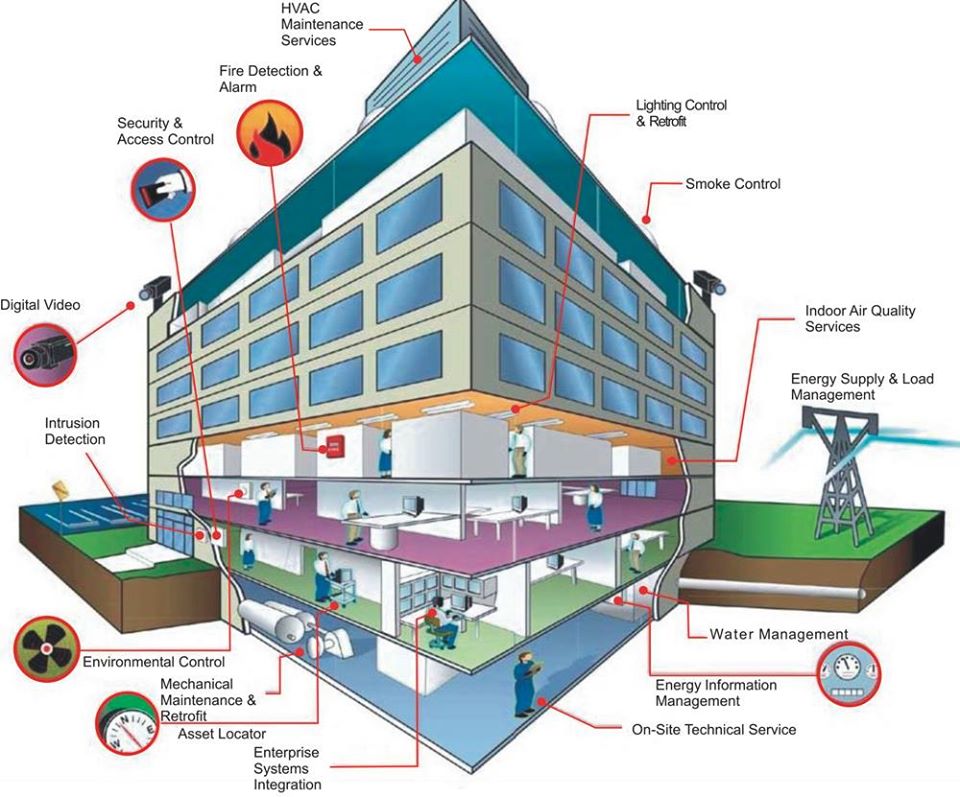
Technical Components of an HVAC BMS
The BMS will use various layers of hardware and software, all of which must work together in order to control the many different types of heating and cooling systems that are in operation today.
- Sensors (The Input Layer): These devices act as the “eyes and ears” of the system. Temperature sensors monitor room and duct heater conditions, humidity sensors track moisture levels, and $CO_2$ sensors measure indoor air quality. Occupancy sensors are also vital, as they detect the presence of people to determine if a room requires conditioning.
- Controllers (The Intelligence Layer): Often called Direct Digital Controllers (DDC), temperature controller microprocessors receive data from sensors. They use pre-programmed logic to decide how the HVAC equipment should react. For example, if a sensor reports a temperature of 24°C when the setpoint is 21°C, the controller calculates the necessary cooling output.
- Actuators and Command Devices (The Output Layer): These are the physical components that bring about changes. Motorized dampers that either let or restrict the flow of air through ducts, or valves that allow either hot or cold water to exit from coils, are among the different devices within this category.
- User Interface (Head-End): The user interface, which is also known as head-end, is the software dashboard for the facility manager. It gives him access to real-time information about the system’s performance as well as to adjust schedules and respond to alarms. This type of interface is typically web-based and allows for remote access by users from computers and mobile devices.
How the BMS for HVAC Controls Operations?
A Building Management System (BMS) sort of helps to keep an eye on HVAC equipment in an automatic way, so indoor conditions stay fairly stable, energy use gets better, and the whole building runs in a more balanced performance kind of manner.
Here is how a BMS controls HVAC equipment in practice:
- Monitoring temperature, airflow, and humidity
The BMS gathers real-time data from sensors so it can watch indoor temperature, how the air is moving, humidity levels, and the general air quality across the building.
- Automating HVAC operation
With programmed schedules and what the sensors report, the BMS makes automatic changes to HVAC equipment like fans, chillers, pumps, heaters, and air handling units whenever something needs attention.
- Improving building efficiency and comfort
When HVAC operation is tuned well and unnecessary energy consumption is kept in check, the BMS helps occupants feel comfortable. It also tends to reduce operating expenses, plus maintenance costs over time, which is kind of the point.
BMS vs BAS vs EMS: What’s the Difference?
|
System |
Main Purpose |
What It Controls |
Best Use Case |
|---|---|---|---|
|
BMS |
Centralized monitoring and management of building systems |
HVAC, lighting, security, power, and building operations |
Large commercial buildings and industrial facilities |
|
BAS |
Automating building operations for comfort and efficiency |
HVAC, ventilation, lighting, and environmental controls |
Offices, schools, hospitals, and commercial buildings |
|
EMS |
Monitoring and reducing energy consumption |
Energy usage, power systems, and utility performance |
Facilities focused on energy management and cost reduction |
Communication Protocols Explained: BACnet, Modbus, KNX, LonWorks
|
Protocol |
How It Connects |
Speed |
Devices Supported |
Typical Cost |
Most Common Use |
|---|---|---|---|---|---|
|
BACnet |
Ethernet, IP networks, and RS-485 |
High |
Supports large building networks |
Moderate to high |
Commercial HVAC and building automation |
|
Modbus |
Serial communication and Ethernet |
Moderate |
Supports industrial control devices |
Low |
Industrial automation and HVAC controls |
|
KNX |
Twisted pair, IP, and wireless connections |
Moderate |
Supports smart building devices |
Moderate |
Smart homes and building automation |
|
LonWorks |
Twisted pair, fiber optic, and IP networks |
Moderate to high |
Supports distributed control systems |
Moderate to high |
Large building automation systems |
Energy Savings: Real Numbers from Real Buildings
|
Building Type |
Estimated HVAC Energy Savings |
|---|---|
|
Commercial Office Buildings |
Around 10%–30% energy savings |
|
Industrial Facilities |
Around 15%–35% energy savings |
|
Hospitals |
Around 10%–25% energy savings |
|
Educational Buildings |
Around 15%–30% energy savings |
Connecting Electric Heaters to a BMS
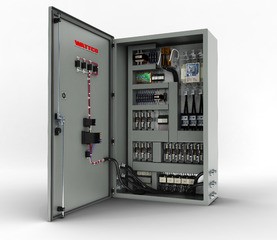
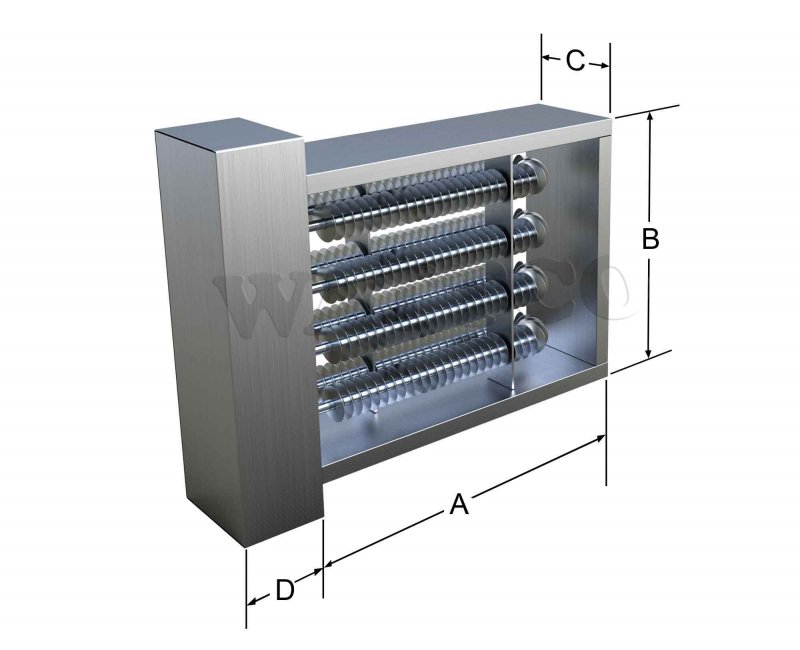
Electric heaters can tie in with a Building Management System (BMS) so you get more automated warmth control, easier centralized monitoring, and better energy efficiency, inside commercial and industrial spaces. In practice, the BMS keeps an eye on temperature conditions in real time, and it can tweak the heater workload automatically when conditions call for it. Wattco’s control panels are designed for BMS integration too, using compatible communication protocols, the right kind of sensors, and more advanced temperature control features, so heating stays dependable over time.
How to Choose the Right BMS for Your Building?
Picking the right Building Management System BMS kind of depends on how big the building is, how complicated the HVAC system looks, what kind of energy management you actually need, and what your long-run operational plans are. If the BMS is chosen well, it can really boost efficiency, give automation more control, and overall make building performance feel steadier.
When you’re selecting a BMS, it helps to look at things like the building size, the HVAC equipment complexity, how well it should integrate with your current systems, whether it can scale later, and how easy it is to monitor and do routine maintenance. A system that is flexible and compatible tends to support more effective long-term building management, even as things change.
Table: High-Level BMS Vendor Comparison
|
Vendor |
Main Strength |
Typical Building Type |
Key Features |
|---|---|---|---|
|
Siemens |
Advanced automation and energy management |
Large commercial buildings and industrial facilities |
Smart building integration, analytics, HVAC automation |
|
Honeywell |
User-friendly building control systems |
Offices, hospitals, and commercial facilities |
Remote monitoring, energy optimization, security integration |
|
Johnson Controls |
Scalable building management solutions |
Commercial campuses, data centers, and industrial buildings |
HVAC control, automation platforms, real-time monitoring |
Cost and Return on Investment BMS for HVAC
The cost of a Building Management System, BMS, depends on stuff like building size, how complex the HVAC setup is, what special system features are included, and what sort of integration is needed. So, yes, the upfront installation cost can look higher, but a BMS can still bring real long term operational help and energy saving gains.
When a BMS is configured well, it tends to cut HVAC energy use, supports better equipment performance, helps with maintenance costs and can also stretch the useful life of building systems. For commercial buildings, the return on investment usually shows up through reduced utility expenses, smoother day to day operations, and a more organized facility management approach, as time goes on.
Energy Efficiency and Sustainability BMS for HVAC
The most significant effect on energy savings from an HVAC-integrated BMS is the ability to reduce wasted energy by using “setpoint reset” strategies that adjust the temperature of the circulating water or air based on demand. For example: If a building only required mild cooling, the BMS could allow for higher chilled water temperatures increasing the overall efficiency of the chiller equipment.
By improving these processes, a functional BMS can reduce energy costs between 15% and 30%. This not only provides a rapid return on investment but also helps organizations meet modern environmental standards and carbon reduction goals. In the context of global sustainability, a well-tuned BMS is one of the most effective tools for making large-scale infrastructure “greener.”
Maintenance and System Longevity
System upkeep, and extending equipment life have become both a business practice and expectation in the HVAC industry. A Building Management System (BMS) operates as both an operational tool and a preventative or predictive maintenance tool. A lot of HVAC service is traditionally “reactive,” meaning the technician will fix something only after it fails. Following essential HVAC safety tips alongside a BMS-driven strategy can further reduce risks and ensure safer maintenance practices. A BMS will allow you to take a “proactive” or “predictive” approach to maintaining your equipment.
The BMS will continuously monitor the following performance metrics: fan vibration, differential pressure across filters, and pump run time. If a motor starts to draw more current than normal, or if a filter becomes complete with dirt, the BMS can make an alarm that will be sent out to notify you of the issue before it fails.
This allows maintenance teams to fix minor issues before they lead to expensive equipment failures. Furthermore, by ensuring that equipment only runs when necessary and operates within its ideal parameters, the BMS significantly extends the total lifespan of boilers, chillers, and fans.
Conclusion
HVAC Systems are now a requirement for Modern Facility Management, they have been converted into an active, responsive system through the use of high-tech sensors, intelligent controls and automated logic. The combination of these systems creates a seamless link between the mechanical requirements of heating and cooling to meet the needs of employees to have a comfortable, healthy place to work.
Developing the BMS requires a great deal of engineering and a significant financial investment in the early stage, however, after all, are complete, long-term benefits of energy savings, fixtures and occupant satisfaction will be the foundation of efficient building design.