

Electric Duct Heaters for Data Center Heat Load Testing and Commissioning
Here’s a problem that catches new data center operators off guard. You’ve built a facility to cool millions of dollars of computing hardware, but you can’t actually prove the cooling works until there’s heat to cool. And you really don’t want to find out it doesn’t work after the servers are installed. So how do you test a cooling system with nothing hot in the room yet?
You bring your own heat. Electric duct heaters act as controlled, adjustable heat sources that stand in for the servers, letting commissioning teams push the cooling system to its limits long before a single rack goes live. It’s one of those quietly clever practices that separates a smooth data center launch from a stressful one. Let me walk through why it matters and how it’s done.
Why Heat Load Testing Matters in Data Centers?
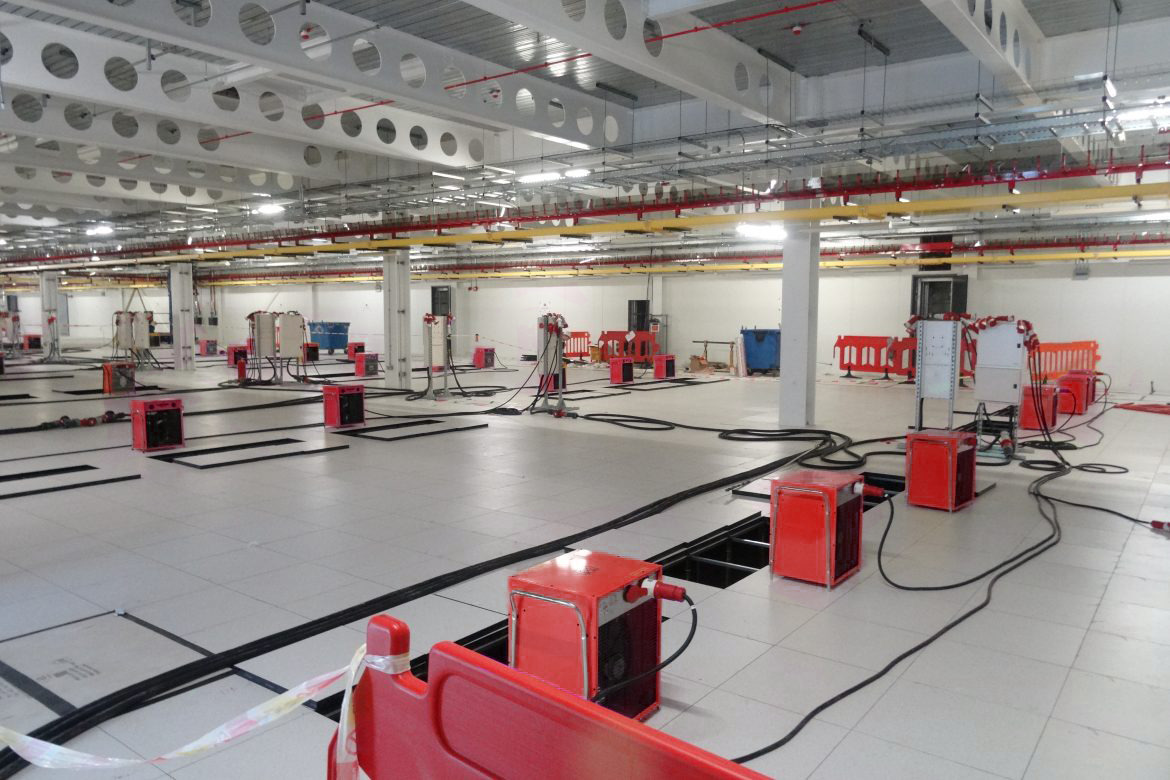
Commissioning is where you find the problems, on purpose, while they’re still cheap to fix. Heat load testing is the core of it.
The whole point is to confirm that the cooling equipment, the airflow systems, the controls, the alarms, and the backup systems can actually hold safe conditions under the loads the facility will really see. Not on paper.
In practice. You want to know the chillers keep up, the airflow reaches every rack, the sensors read true, and the alarms fire when they should, all before you’re trusting them with live hardware. Skip this and you’re gambling.
A cooling gap discovered during testing is a Tuesday. The same gap discovered with a hall full of running GPUs is a disaster. That’s the difference heat load testing buys you.
How Electric Duct Heaters Support Data Center Commissioning?
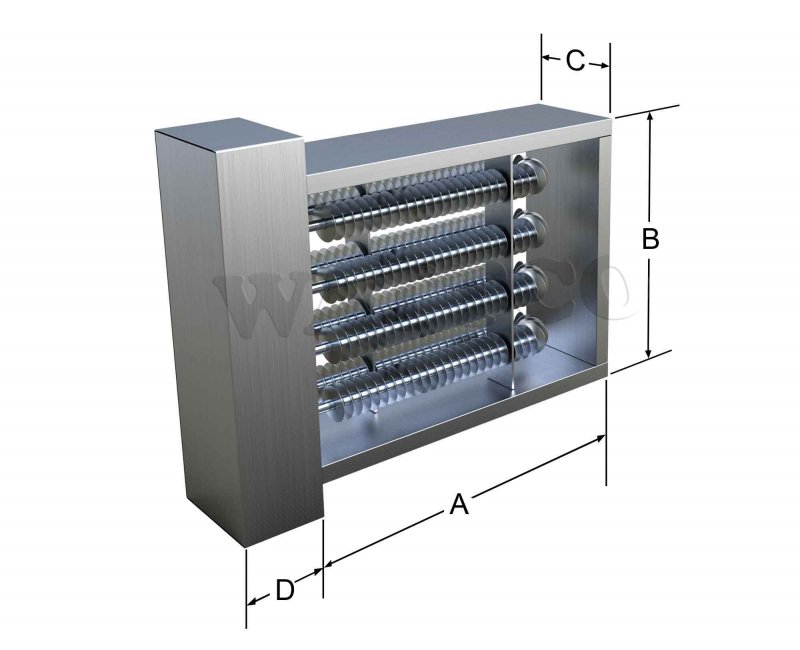
Electric duct heaters generate controlled heat right inside the air-handling system, which lets a commissioning team test cooling performance without depending on live servers. The heater warms the air moving through the ductwork, the cooling system responds to that heat, and engineers watch how it all behaves. Simple setup, and it unlocks a whole sequence of tests. Here’s what it makes possible.
Simulating Server Heat Before IT Equipment Arrives
This is the headline benefit. Duct heaters reproduce predictable, known thermal loads, so the cooling system can be fully tested before the racks are even installed.
That timing is everything. You get to shake out the cooling design while the room is empty and the stakes are low, instead of scrambling once the expensive equipment is in place. The heater gives you a heat source you completely control, dialed to whatever load you need, standing in for servers that haven’t shipped yet. It turns commissioning from a guessing game into a controlled experiment.
Testing Cooling Capacity Under Different Loads
Real facilities don’t run at one steady load, so you shouldn’t test at one either. Staged or modulating duct heaters let engineers reproduce a whole range of conditions, partial load, normal operating load, peak demand, and even failure scenarios.
Ramp the heat up in stages and you learn exactly where the cooling system holds and where it strains. Push it to peak and you confirm there’s headroom for the busy days. Simulate a failure and you see whether the system copes or falls over. That ability to test across the full load curve, not just one comfortable number, is what gives a commissioning team real confidence in the design.
Verifying Airflow and Temperature Distribution
Getting the total cooling right isn’t enough if the cold air doesn’t reach the right places. Controlled heating helps expose the airflow problems that spec sheets never show.
With a known heat load running, engineers can spot hot spots where heat is pooling, airflow restrictions choking certain areas, recirculation where hot exhaust sneaks back into intakes, and uneven temperatures across the room. These are exactly the issues that quietly cook a rack in the corner while the average room temperature looks fine. Find them during testing and you can fix the airflow layout before it ever threatens live hardware.
Testing Cooling Controls and Alarm Responses
A cooling system is only as good as the controls running it, and those need proving too. Heat load testing puts the whole control chain through its paces.
You can confirm the temperature sensors read accurately, the fan controls respond correctly, the cooling stages engage when they should, the high-temperature alarms actually trigger, and the automatic shutdown sequences behave as designed. That last one matters a lot, because you really want to know your emergency responses work before there’s an actual emergency. Feeding the system controlled heat lets you verify every one of these responses on your terms, calmly, with nothing valuable at risk.
Supporting Integrated Systems Testing
The biggest tests look at how everything works together, and duct heaters make that possible too. This is where you check the interactions between the air handlers, the CRAH units, the chillers, the backup power, and the building management system.
Integrated systems testing is about the handoffs. Does the BMS see the rising heat and respond? When you cut utility power, do the backup systems carry the cooling load without a dangerous gap? Running a realistic heat load lets you watch all these pieces coordinate under pressure, as one system, which is the only way to catch the problems that live in the seams between components.
Where Electric Duct Heaters Are Used During Commissioning?
Duct heaters show up in a few different spots and project types during commissioning. Here’s where they earn their keep.
Supply and Return Air Ducts
The natural home for them is the ductwork itself. Heaters installed in the supply and return air ducts create increases in air temperature control, giving the cooling and ventilation systems a real thermal load to react to. It’s a direct, clean way to inject known heat exactly where the air-handling system will process it.
Temporary Heat Load Testing Systems
Often the testing rig is temporary. Portable or temporary duct-heater assemblies get set up specifically for commissioning, before the permanent IT equipment is operational, then removed once the facility is proven and ready. It’s a practical approach, you bring in the heat, run your tests, and clear it out, without committing permanent equipment to a one-time job.
Modular and Hyperscale Data Centers
At modular and hyperscale sites, repeatability is the name of the game. Electric duct heaters support consistent, repeatable testing across multiple data halls, modules, and expansion phases. When you’re commissioning hall after hall to the same standard, a controllable heat source lets you run the identical test every time, so each new module gets validated to the same proven benchmark before it goes live.
Retrofit and Capacity Upgrade Projects
It’s not only for new builds. When you add racks, change the airflow, or move to higher-density computing, you’ve effectively changed the cooling problem, and duct heaters let you re-validate performance under the new conditions. Before you trust an upgraded hall with denser, hotter equipment, you can confirm the cooling still holds up, using controlled heat to prove it rather than hoping.
Benefits of Electric Duct Heaters for Heat Load Testing
Why electric, specifically? Because it’s clean and simple. Electric duct heaters deliver controllable, repeatable heat with no fuel storage and no combustion, which means no exhaust, no fuel handling, and no combustion hazards to manage inside your facility. You just dial in the load you want and get consistent, predictable heat.
And the core benefit is safety. These heaters let engineers test the cooling systems thoroughly before any valuable IT hardware is placed at risk. You prove the cooling works against a heater you can unplug, not against irreplaceable servers you can’t. Clean, controllable, repeatable, and safe. For commissioning work, that’s exactly the profile you want.
Final Thoughts
Electric duct heaters make data center commissioning genuinely reliable. They simulate server heat before the servers exist, validate that airflow reaches every corner, test cooling capacity across the full range of loads, and confirm the control systems respond the way they’re supposed to. All of it done safely, before the expensive hardware is on the line.
Getting accurate results does depend on the details, though. Proper heater sizing, the right airflow, accurate controls, and solid safety protection are what make the testing dependable rather than misleading. Get those right, and a duct heater becomes one of the most valuable tools in the whole commissioning process, the thing that lets you launch a facility knowing, not hoping, that the cooling will hold.
Wattco provides engineered electric duct heaters for data center heat load testing and commissioning, helping teams simulate real operating conditions, validate cooling performance, and support reliable system readiness before deployment.