

Types of Electric Heating Systems Used in Modern Data Centers
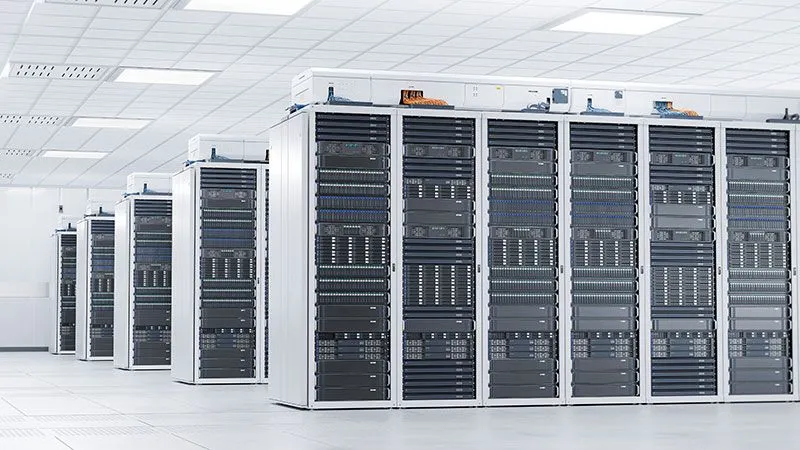
A data center is a machine for getting rid of heat. That’s the reputation, and it’s mostly true. So it surprises people to learn how much electric heating quietly goes on inside one. Not in the server halls, where you’d never want to add heat, but all around the edges. Drying out over-cooled air. Warming coolant loops before they go live. Keeping outdoor pipes from freezing. Testing the cooling system with fake heat before real servers arrive.
Cooling gets the spotlight. Heating does the unglamorous support work that keeps the whole thing safe and stable. Let’s walk through the main types of electric heating systems a modern facility relies on, and then how engineers pick the right one.
Types of Electric Heating Systems Used in Modern Data Centers
There’s no single heater that covers everything here, because the jobs are genuinely different. Are you heating air, conditioning a liquid, protecting something from freezing, or commissioning a new system? Each answer points to a different type of heater. Here’s the lineup.
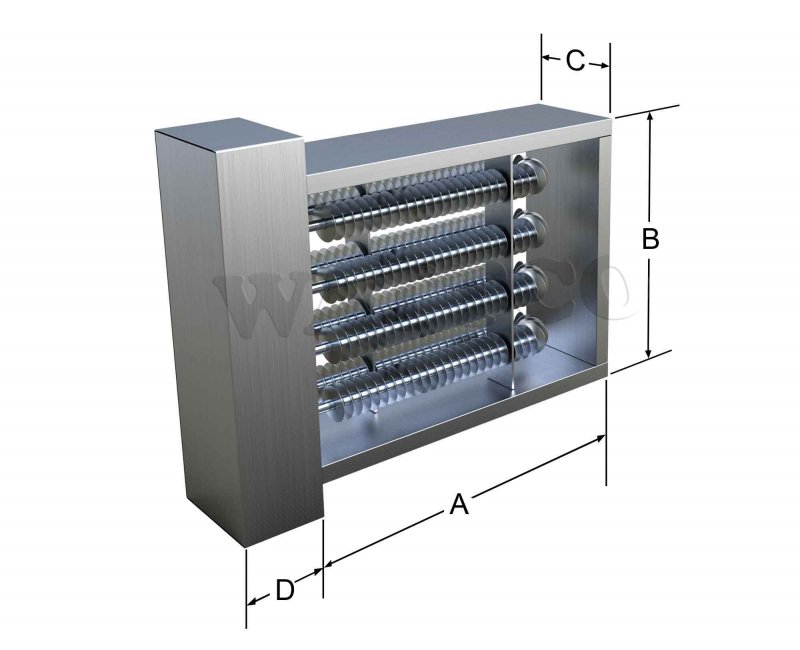
Electric Duct and Reheat Heaters
This one traces back to a quirk of how data centers manage humidity. To pull moisture out of the air, a cooling coil often chills it well below the target temperature, wringing the water out. Now the air is dry but too cold. So you warm it back up.
Electric duct heaters handle that reheat, warming the supply air after dehumidification so the room lands at the right temperature without losing the humidity control you just worked for. It’s a balancing act, and reheat is how you hold both temperature and moisture in the correct window at once. You’ll find electric reheat built right into precision cooling equipment for mission-critical spaces, where the tolerances are tight and drifting on either temperature or humidity isn’t acceptable.
Industrial Circulation Heaters
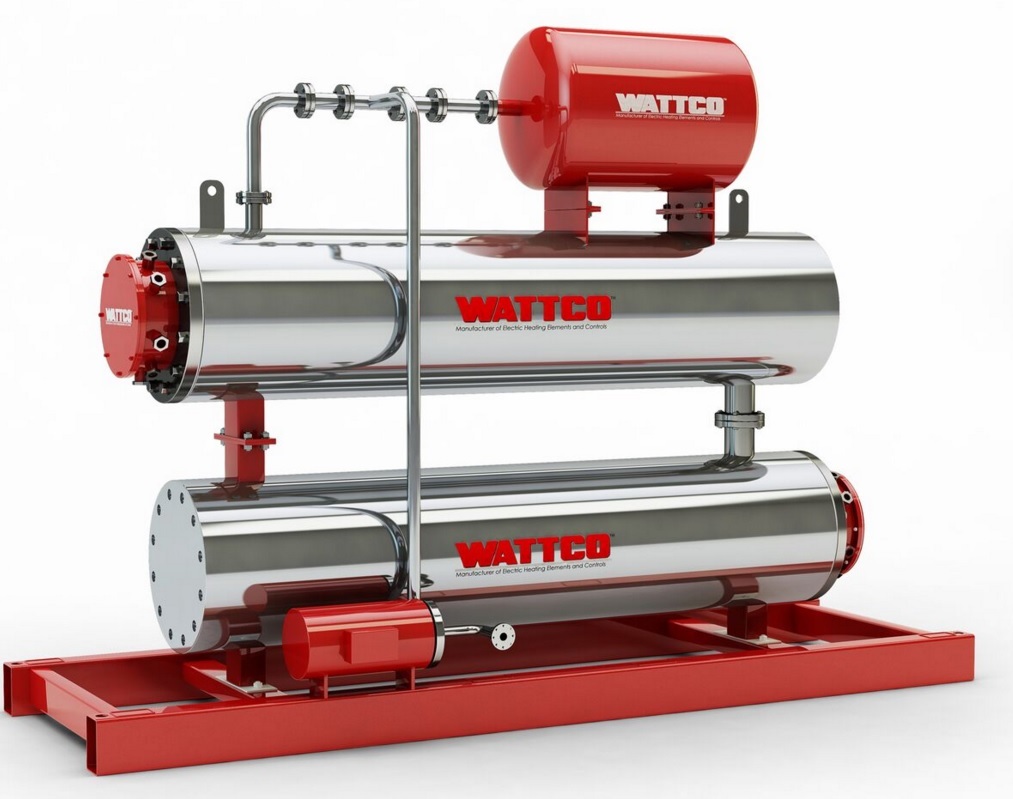
When there’s a liquid loop to condition, circulation heaters step in. They warm flowing water or glycol as it passes through, giving accurate control over the fluid temperature.
In a data center that matters during startup, testing, and standby, when a loop might otherwise sit too cold, and during cold-weather operation when ambient conditions drag temperatures down. The heater holds a minimum, keeps the coolant ready, and stops the loop from drifting below where the cooling system expects it. For big liquid-cooling systems, that steady baseline is worth a lot.
Immersion Heaters for Tanks and Reservoirs
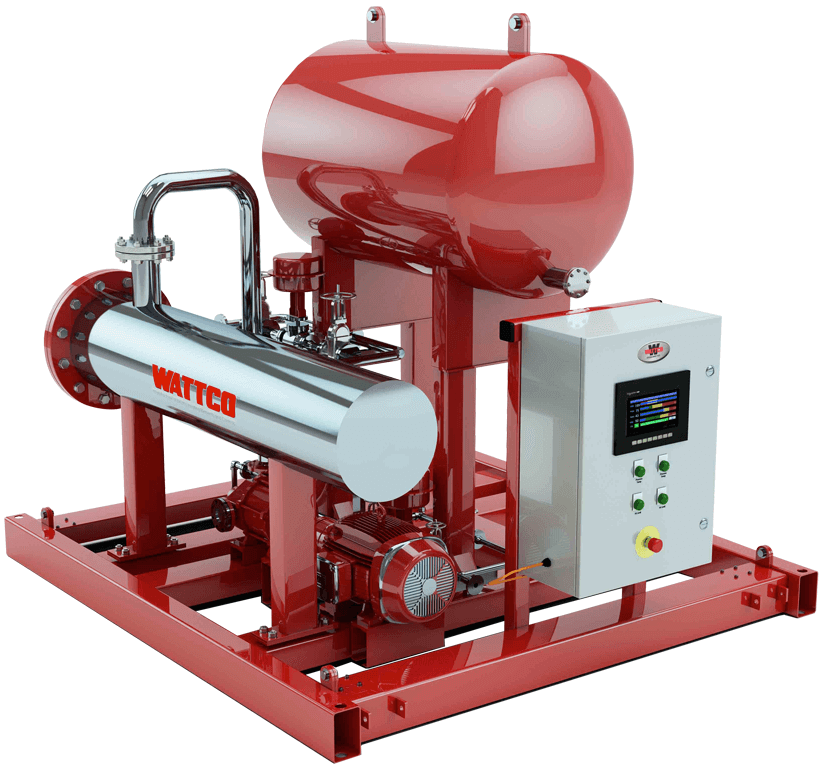
Sometimes the fluid isn’t moving yet, it’s sitting in a tank waiting. That’s immersion heater territory. An immersion heater drops directly into the fluid and heats it from within, which is about as efficient as heating gets, since there’s no gap for heat to escape through.
They’re used to warm stored water, glycol solutions, buffer tanks, and other heat-transfer fluids before that fluid gets circulated into the system. Bring the reservoir up to temperature, and when the loop calls for it, the fluid is already conditioned and ready to go. Simple, direct, and effective for anything held in a vessel.
Electric Heat-Tracing Systems
Not all the cooling system lives in a climate-controlled room. Pipes run outdoors. Valves, drains, and heat-rejection equipment sit exposed to the weather. In a cold climate, that’s a freezing risk, and a burst pipe is a very bad day.
Electric heat-tracing solves it with heating cable run along the pipes and equipment that need protecting. The cable puts out just enough warmth to keep water and glycol from freezing, guarding exposed pipes, valves, drains, and outdoor cooling gear through the cold. Often it’s self-regulating, so it heats more when it’s colder and backs off when it’s not. Quiet, targeted freeze protection exactly where the system is most vulnerable.
Electric Unit and Space Heaters
Here’s a distinction that matters. You never add heat to an active server hall, that would be fighting your own cooling. But a data center is full of other rooms that do need warmth.
Unit and space heaters keep suitable temperatures in mechanical rooms, electrical rooms, generator enclosures, and similar support spaces. These areas have equipment that doesn’t like the cold, batteries, switchgear, generators that need to start reliably, and a unit heater holds them in a safe range. The key is placement. This heat goes into the supporting spaces, not the halls full of servers, so it protects the gear that keeps the facility running without ever working against the cooling that keeps the servers alive.
Electric Heat-Load Testing Systems
This might be the most interesting use of all. Before a single server is installed, how do you know the cooling system actually works? You test it with heat that stands in for the servers.
Controlled resistance heaters and load banks reproduce the heat real IT equipment would generate, giving engineers a predictable, adjustable load to test against during commissioning. With that fake load running, they can check airflow, confirm cooling capacity, trigger and verify alarms, and make sure the backup systems kick in when they should. All without risking any actual computing hardware. It’s a way to prove the whole cooling and safety chain works before the expensive equipment ever shows up, which takes enormous risk out of bringing a new facility online.
What Engineers Should Consider When Selecting an Electric Heater?
Whatever the type, choosing the right heater comes down to the same handful of questions. Skip one and you’ll feel it later, in performance, in energy waste, or in a shortened service life. Here’s what actually drives a good selection.
Determine the Required Heating Capacity
Start with the math, because everything else builds on it. Look at your airflow or fluid flow rate, the inlet temperature you’re starting from, and the target temperature you need to hit. Factor in how fast the system has to come up during startup, and add the heat losses you’ll inevitably see. Those inputs tell you the real capacity required. Guess low and you never reach temperature. Guess carelessly high and you waste energy while pushing watt density where it shouldn’t go.
Match the Heater to the Air or Fluid
The medium decides the design. For a fluid, that means looking hard at the coolant chemistry, the glycol concentration, and corrosion resistance, plus fluid velocity and the watt density the fluid can tolerate before it degrades. For air, it means matching the heater to the airflow so heat spreads evenly without hot spots. A heater sized right for water can be wrong for a glycol mix, and one built for a fast airstream can overheat in a slow one. Match it properly and it lasts. Mismatch it and you’ll be replacing elements early.
Include Accurate Controls and Safety Devices
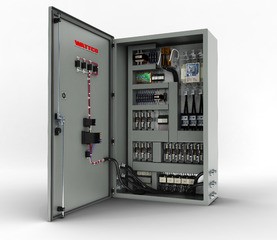
Controls are what make a heater precise, and safety devices are what make it safe. You want accurate temperature control driving the sensors, high-limit protection as a hard cutoff, and flow or airflow switches so the heater never fires without something moving across it, which is a fast route to a burned-out element otherwise. Alarms and integration with the building management system round it out, so the facility team can see what every heater is doing and respond before a small issue grows. In a mission-critical building, that visibility isn’t optional.
Consider Energy Use and Operating Purpose
This is where good engineering shows. A heater should run only when it’s actually needed, and never in a way that has the building heating and cooling the same space at the same time. That kind of simultaneous heat-and-cool is pure waste, and in a facility this size it adds up fast. So tie the heater’s operation to a clear purpose, reheat when dehumidifying, freeze protection when it’s cold, and let it stay off the rest of the time. Efficiency here is mostly about not doing dumb, redundant work.
Plan for Reliability and Maintenance
Finally, design for the day it needs service, because that day always comes. Think about redundancy for critical duties, isolation valves or switches so you can work on a unit without shutting down the system, and real access for inspection. Choose designs with replaceable components, and set a preventive maintenance routine from the start. A heater that’s easy to isolate, inspect, and repair keeps a routine service task from turning into an outage. In a data center, that difference is everything.
Final Thoughts
Electric heating systems support a modern data center in more ways than most people expect. Air reheat that protects humidity control. Coolant conditioning that keeps liquid loops stable. Freeze protection for the exposed outdoor gear. Load-bank testing that de-risks commissioning. And warmth for the support rooms that keep the facility running. None of it happens in the server halls, but all of it keeps the servers safe.
Picking the right system always comes back to the basics. Know the medium you’re heating, understand the operating conditions, get the controls and safety devices right, and match everything to the actual application. Do that, and electric heating becomes a quiet, dependable partner to the cooling that gets all the attention.
Wattco designs high-performance electric heating solutions that help maintain precise temperature control in modern data center environments. From air heaters and duct heaters to circulation and immersion heaters, explore our product range of engineered heating systems built to support reliable, energy-efficient operation in critical infrastructure.