

Electric Heating Elements
The heaters for the industrial environment are usually power by an electrical source. The heaters manufactured by WATTCO™ all electric heaters with heater elements made out of specially designed electric heating rods. The typical heating elements are made of steel or stainless steel. They are used in heating water or similar liquid medium for a general purpose and usually corrosion free.
Other corrosion resistant materials used are a composition of alloy such as copper or titanium. They are most resistant to high temperature and withstand the highly corrosive medium. Recently, specially manufactured alloy such as Inconel® and Incoloy® were introduced for more advanced application.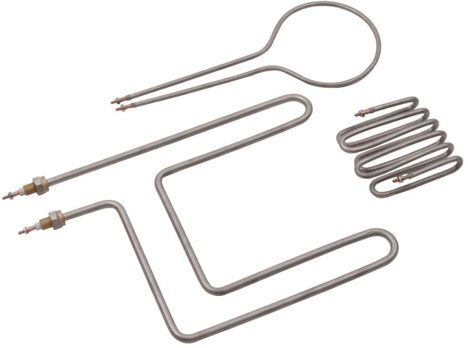
The heating elements are a vital part of the industrial heater with various added benefits contingent on a particular application. The selection of heating elements depends largely on the type and nature of the medium used.
In addition to the medium, the type of heaters it will be installed also has a bearing on what kind of alloy it must be constructed of. The heater elements are factory configured into any shape and size.
They operate in an extremely high temperature as some heater elements are required to operate well above the process temperatures of 1,600⁰F.
Electric heater elements convert electrical energy into heat. They are used in the heat treatment process to attain specific temperatures. They provide supplemental heat in air handling units and space heaters.
Their mechanism is controlled and allows safe heating with high energy. Electric heating elements are necessary for consistent and reliable heating in industrial, commercial, and residential applications. It is used in furnaces, ovens, water heaters, toasters, dryers, medical equipment, and automotive systems.
Common materials used in heater elements
The materials used in heater elements vary depending on their application. Immersion heaters often require materials that are highly resistant to breakdown at extreme temperatures and to stay immersed without giving in to an erosion factor. Considering these conditions, stainless steel is ideal for heating water and other similar chemicals.
Stainless steel is made of steel alloy with at least 10.5%, more likely 13% to 26%, chromium content by mass. The biggest advantage of stainless steel compared to regular carbon steel is the resistance to oxidization. However, stainless steel is not full-proof to erosion by no means. Certain external environments, such as low oxygen, high salinity or poor circulation under which stainless steel becomes vulnerable to a passive film of chromium oxides.
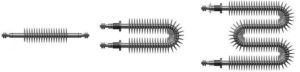
The use of exotic alloys further enhances the ability of the heating elements to withstand their inherent erosive nature. Copper, for example, does not react to water, so it could avoid normal oxidization.
However, it ultimately reacts to the atmospheric oxygen over prolonged use and forms a layer of copper oxide instead of iron oxide. The use of titanium relieves much concern for corrosion as one of its properties is strong corrosion resistance. An added benefit of titanium is the nature of its feather weight as compared to other metals.
Wattco™ heater elements
For extreme environments, WATTCO™ manufactures heater elements made with super alloys such as Inconel® or Incoloy®. The superalloys are mostly nickel-based and excellent corrosion-free materials typically suitable for environments under particularly high pressure and kinetic energy.
They are also fully resistant to an extreme temperatures, specifically to certain chemicals otherwise not sustainable with the general alloys of heating elements. The heating elements are vital to the manufacturing of industrial heaters, and the proper choice of alloy under a specific condition is of the utmost importance to the designing of a suitable application for the particular industrial heater. More information can be found at Wattco.
Get a quote for a heating element today. Wattco also manufactures other industrial heating products such as infrared heaters, control panels, circulation heaters and more. Click here to view all of our products.